
Under the Weather, Over the Bridge
When you travel, you get the chance to see the world—and catch its germs. Chad has come down with a brutal head cold, the kind that makes you long for your own bed, your own blanket, and your own space to overly dramaticly cough. But like a true trooper (or someone without a return ticket), he is pressing on. Thankful for the electric bike that will be in full use today.
I’ve started to feel the scratchy whisper of a sore throat myself, the kind that’s just simmering on low. I’m hoping it doesn’t decide to boil over. We brought along two days’ worth of cold medicine—a quantity so optimistic it should come with a glitter sticker. Travel tip: bring more medicine. Double it. Maybe triple it. Our Backroads guide kindly offered to pick us up something at the pharmacy, which was generous considering they don’t speak “DayQuil” in Dutch.
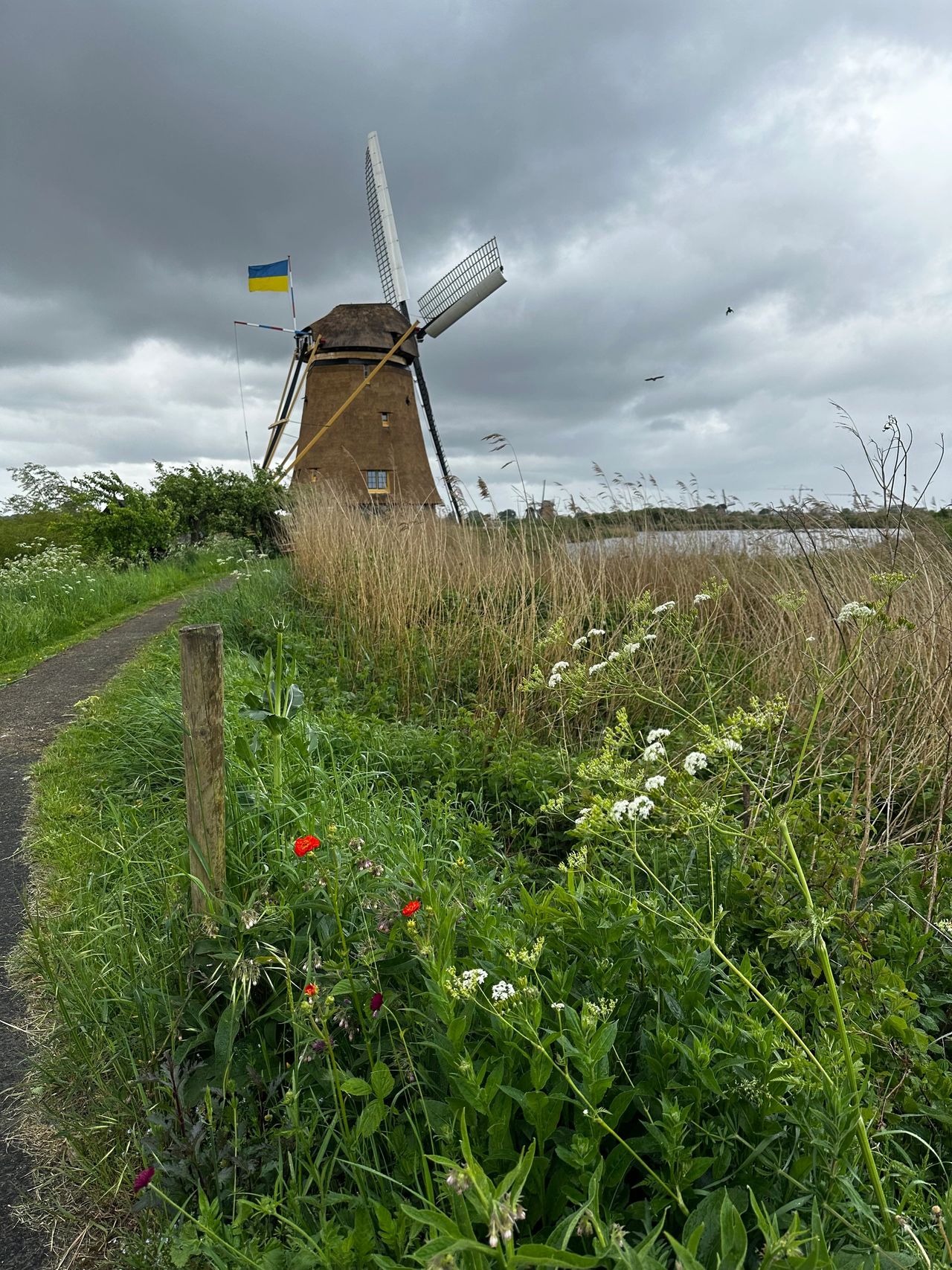
Yesterday was all about strolling along the canals and windmills of Kinderdijk—a place so picturesque it might sue you for using a filter. The windmills, originally built to manage water in a country where a third of the land is below sea level, still function, although now they’re mostly doing PR work. They’ve been replaced by modern systems, but no one wants to take a selfie in front of a diesel-powered water pump.
As we prepared for what was optimistically called a “spring hike” (total elevation: four feet—thank you, footbridge), the sky turned into a Dutch Master painting. Gray clouds with sunlit edges and patches of blue. It was moody, dramatic, and just shy of requiring subtitles.
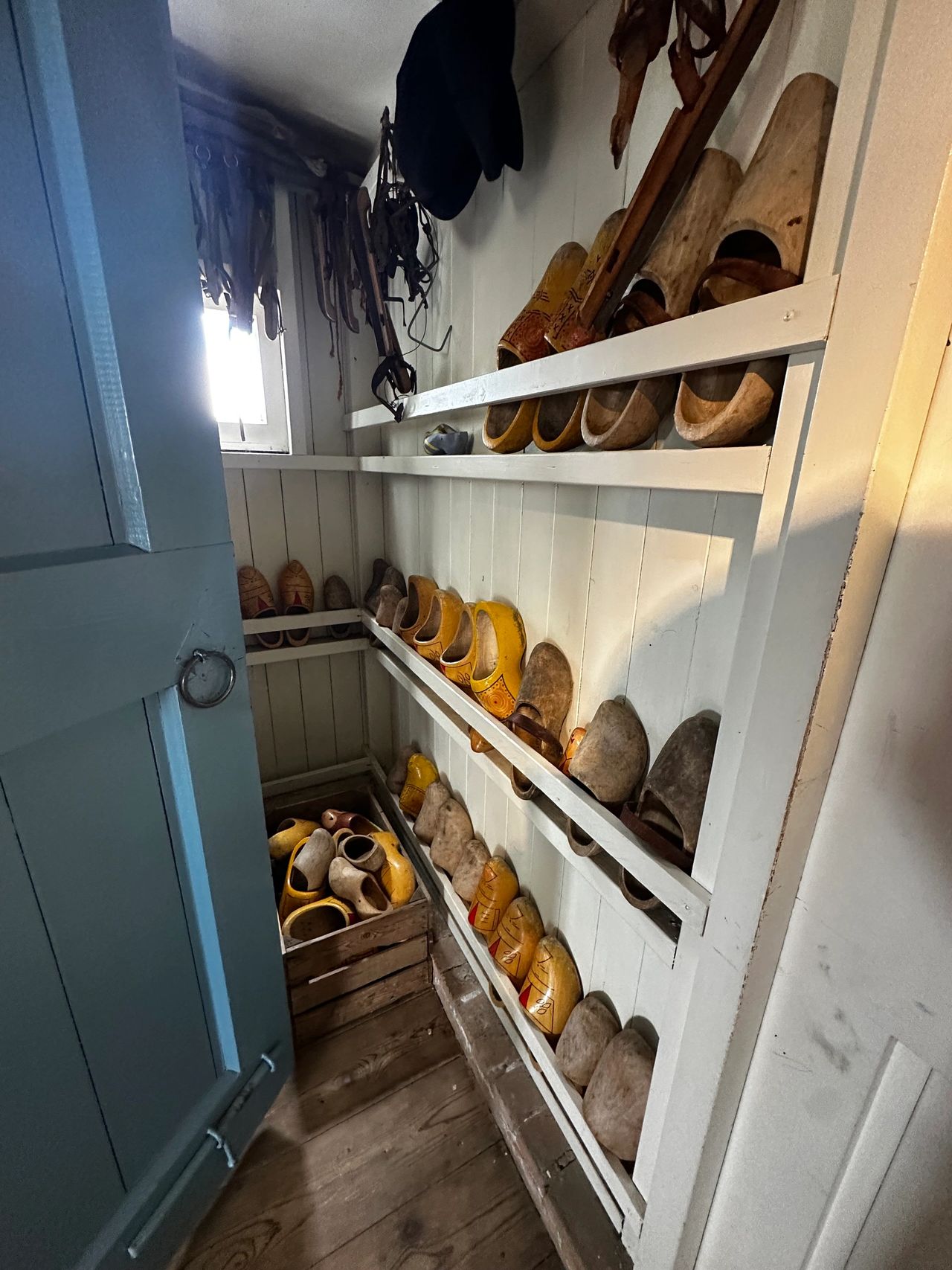
One windmill stood out for its older design—we learned it was a hundred years older than the rest and, naturally, the one we were allowed to go inside. It had everything: wooden shoes, creaky stairs, and that faint smell of historical mildew. Windmills, it turns out, weren’t just for moving water—they were homes for the millers. Think of it as a studio apartment with excellent ventilation and a tendency to spin in high winds.
From there, we hopped on a boat for a canal cruise and a traditional Backroads picnic lunch—”traditional” meaning enough food for two boatloads of people and three more they invited. The boat had such a low ceiling it felt like we were on a floating Hobbit house, ducking under bridges that seemed to mock us with every pass.
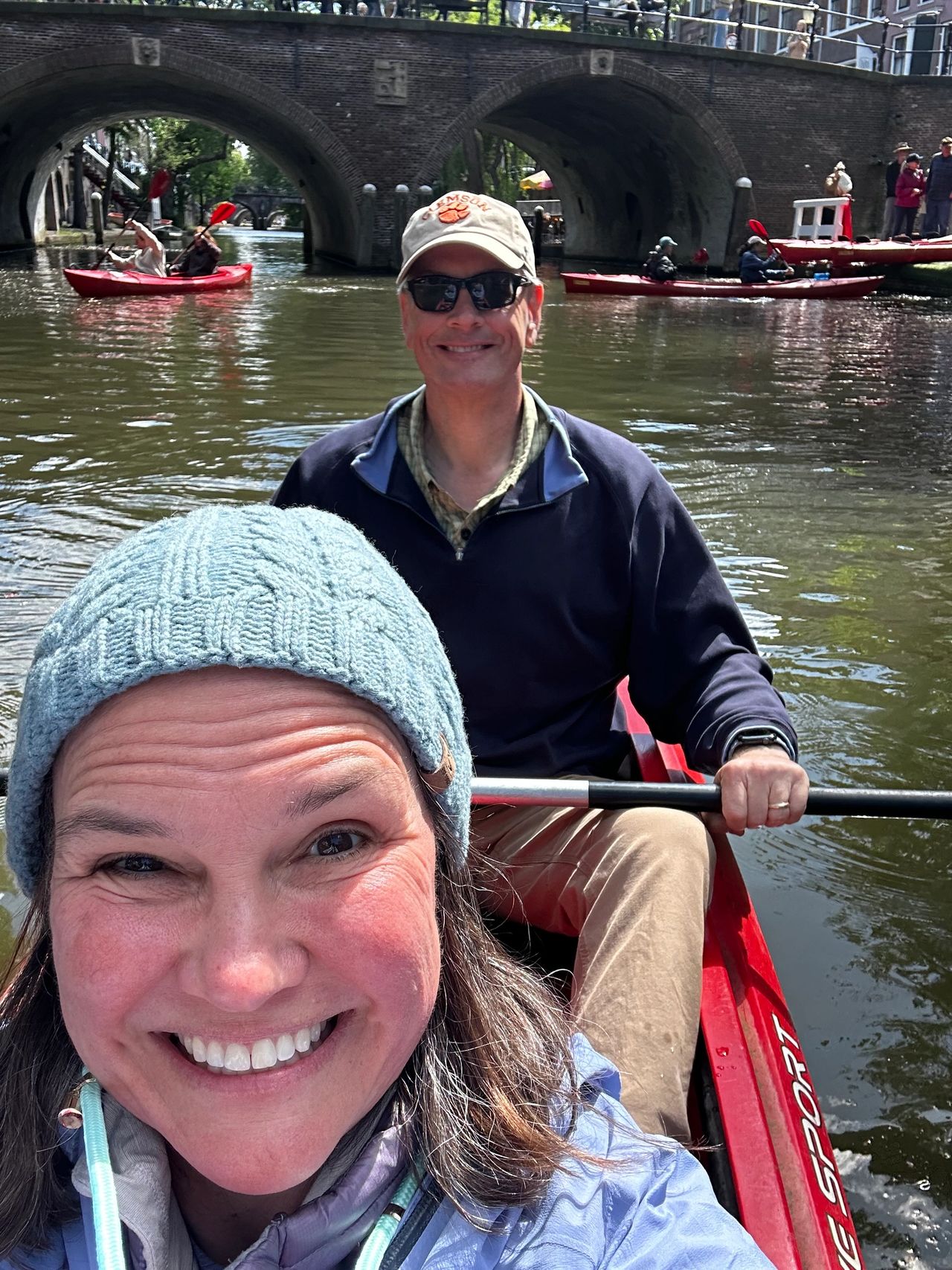
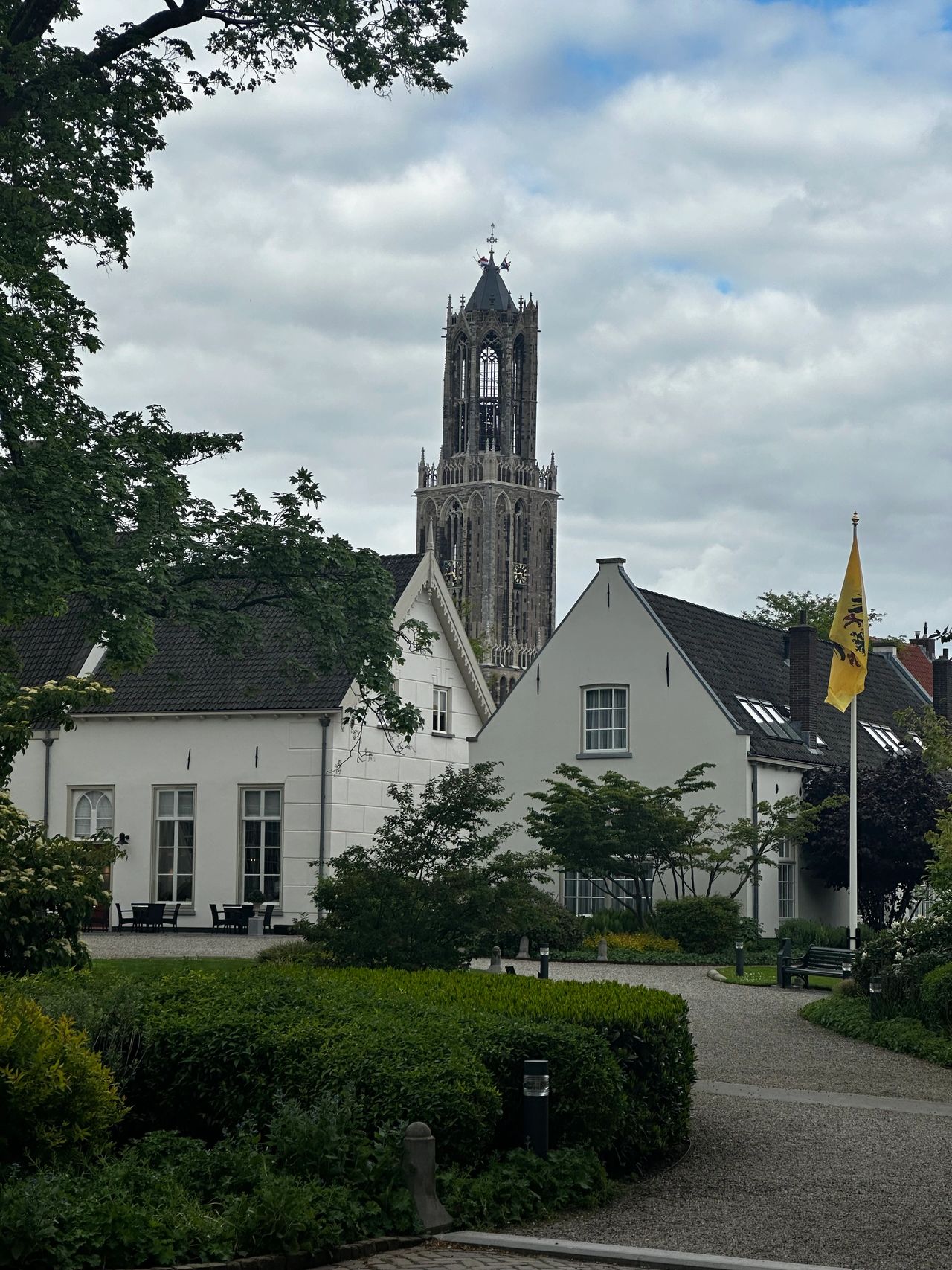
After lunch, we shuttled to Utrecht, a university town with cobbled streets and an unmistakable “students-who-just-discovered-white-wine” energy. We kayaked through its canals while dodging rogue paddle strokes and cheering university rugby players, one of whom may have announced they just won a match—or possibly lost a shoe. It was hard to tell over the roar of Dutch enthusiasm.
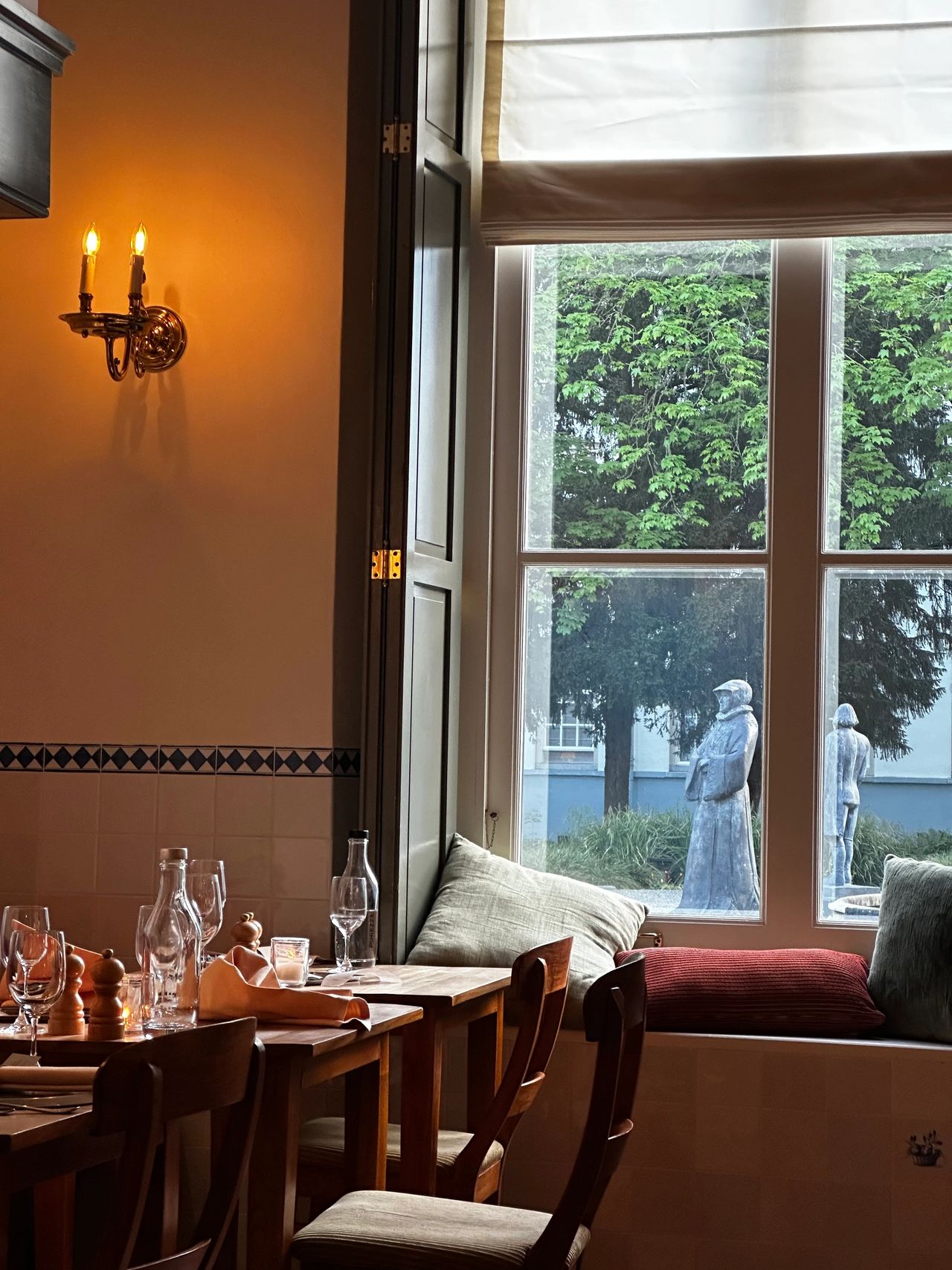
We happened to be in Utrecht on May 4th, which is Remembrance Day in the Netherlands—a solemn national tribute to those lost in war, particularly during WWII. At 8:00 p.m., the entire country observes a two-minute silence. We were having dinner at the excellent Brasserie Goeie Louisa (seriously, eat here), when our server gently informed us that they would be participating. At precisely 8:00, the entire restaurant fell silent—no forks clinking, no phones buzzing, just a shared breath of reverence.
It was surprisingly moving. For two full minutes, a nation known for being laid-back and biking everywhere paused, together. No speeches. No pomp. Just stillness. It was one of the most human moments of the trip—quiet, dignified, and more powerful than any museum or monument we’d visited.