
She Held Me. She Could Also Hold an Opinion.
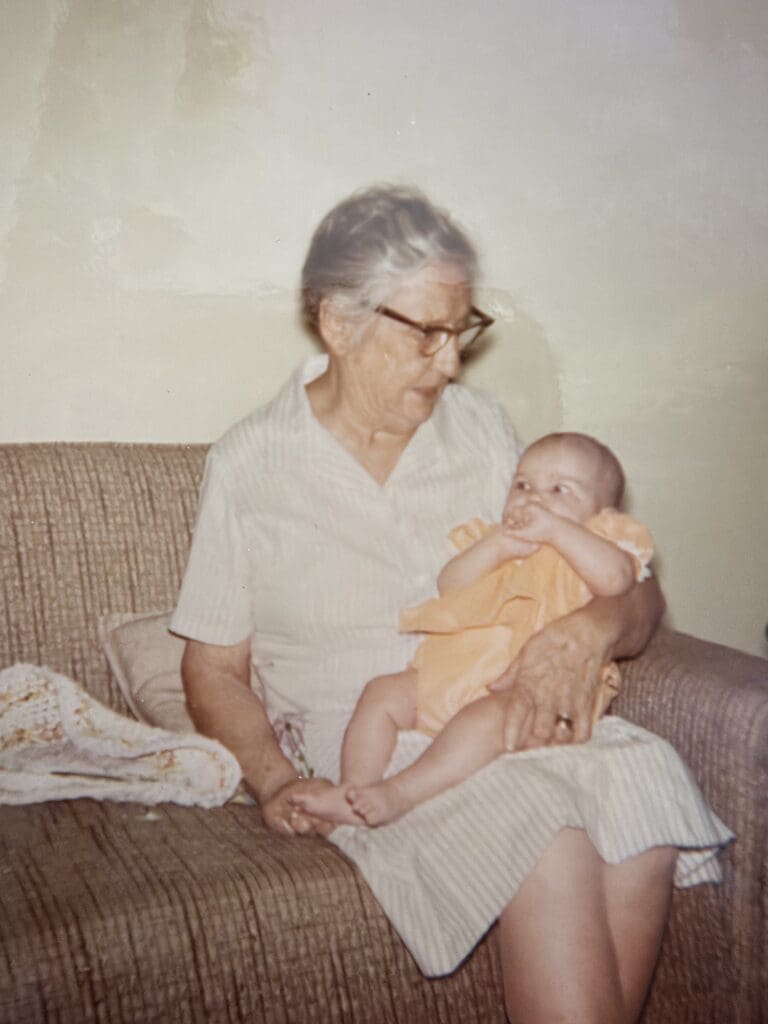
This picture has been in my family albums for 56 years. That’s me at three months old. Yes, I was a large baby. Apparently, I arrived prepared for a food shortage.
My parents had taken me to Jackson, Mississippi, to meet my grandfather and my father’s family. The woman holding me is my great-grandmother, Theresa Peterman Maloney. Born in 1888, she was 82 when this picture was taken. For most of my life, that was what I saw: an old family photograph, an elderly relative, and a baby who was probably making her arms tired.
Then something else occurred to me. The woman holding me had lived until age 32 before the Constitution protected her right to vote.
Thirty-two. Old enough to have married, raised children, run a household, and formed several opinions about how everyone else should run theirs. But apparently, choosing an elected official required abilities she had yet to demonstrate.
I’ve always thought of women’s suffrage as belonging to a distant historical era. Women in long skirts, men in hats, everyone looking uncomfortable in the heat. Yet here was a woman who had lived through it, holding me. History feels considerably less distant when you realize it once supported your entire body weight.
A few years ago, I read The Woman’s Hour: The Great Fight to Win the Vote by Elaine Weiss. What stayed with me was how long women had to fight for something I’ve spent my whole life assuming was mine. And how, after all those years of organizing, arguing, marching, and being told to settle down, the outcome in Tennessee hinged on a 24-year-old state representative named Harry T. Burn.
Harry had received a letter from his mother encouraging him to support women’s suffrage. He switched his vote to yes, helping Tennessee become the 36th and final state needed to ratify the 19th Amendment.
I appreciate the generations of women who did the work. I also appreciate that, at a critical moment, somebody listened to his mother. We do occasionally know things.
The amendment was ratified in 1920, prohibiting the denial of voting rights based on sex. But that victory did not mean every woman could actually cast a ballot. Many Black women continued to face discriminatory laws, intimidation, and other barriers. It would take another 45 years, and the Voting Rights Act of 1965, to help dismantle those obstacles.
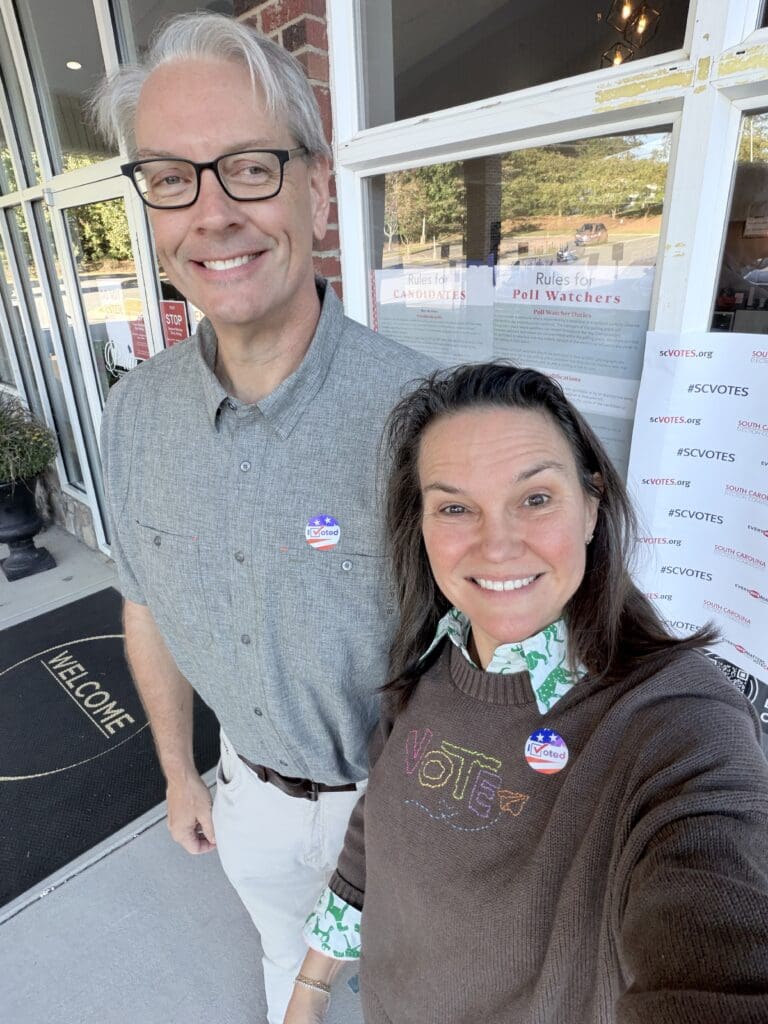
So when election time comes around, I feel strongly about showing up. We are choosing the people who make decisions about our schools, our roads, our health care, and our communities. These decisions will affect us whether we participate or stay home.
Do the people I vote for usually win? They do not. My preferred candidates could probably do without whatever electoral luck I bring to the relationship. But I go anyway. I read, I make my choices, and I cast my ballot. I don’t expect to agree with a candidate on everything. I’m married. I understand that agreement has its limits.
The right to vote was hard-won by people who spent years demanding a voice they knew they deserved. When I look at this photograph now, I see one of the women who had to wait.
I don’t know whether Theresa ever voted. I sure hope she did.
I wish I could ask her. Instead, I’ll go vote.