

A Bunny Guy, a Moose, and Fifty Shades of Gray
We spent two nights in Valdez, and I’m not proud to admit this, but it wasn’t until the second night that I realized this was that Valdez. As in the Exxon Valdez.
Apparently, nearly forty years is enough time for a place to heal—or at least for the visual reminders to fade enough that my first thought wasn’t “environmental disaster.” My first impression was much more pressing: Why are there rabbits everywhere?
At first, it was just one adorable white bunny sitting calmly on the side of the road, happily letting us walk closer. I assumed it was someone’s unusually trusting pet.
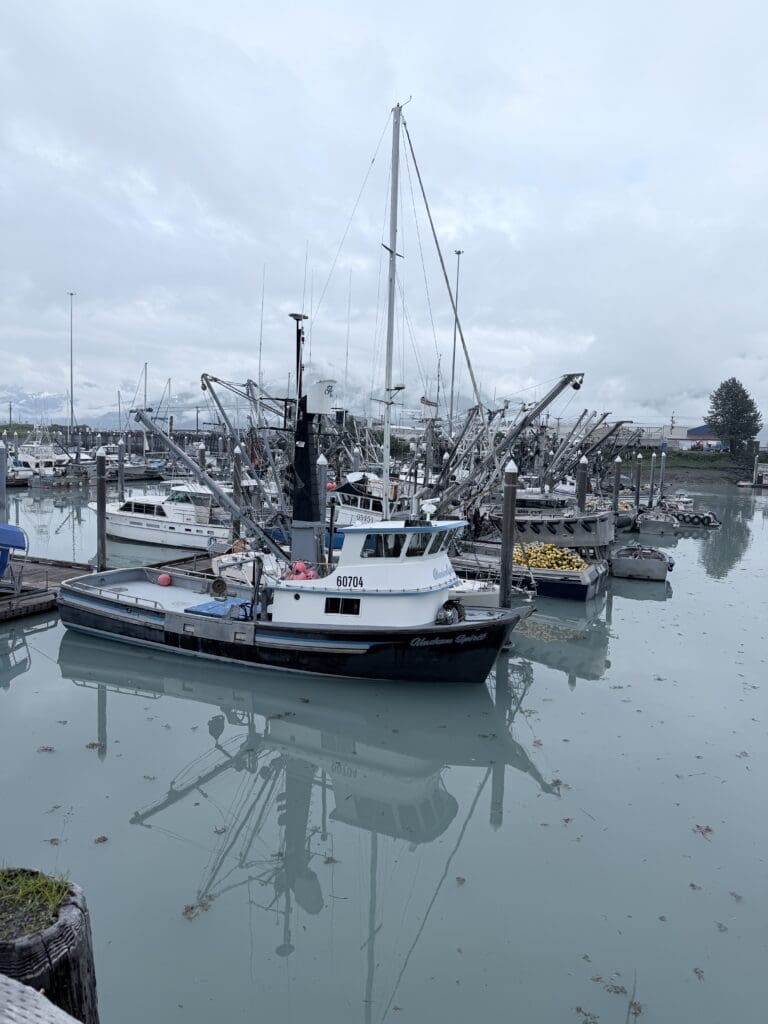
Then we went to dinner at The Fat Mermaid, where I had some excellent fried fish. On the walk back to the hotel, we spotted another rabbit. Then another. Then five more. Pretty soon there were rabbits lounging by the harbor, rabbits under bushes, rabbits hopping across sidewalks. It started feeling less like Alaska and more like an Easter egg hunt. Naturally, I had to investigate.
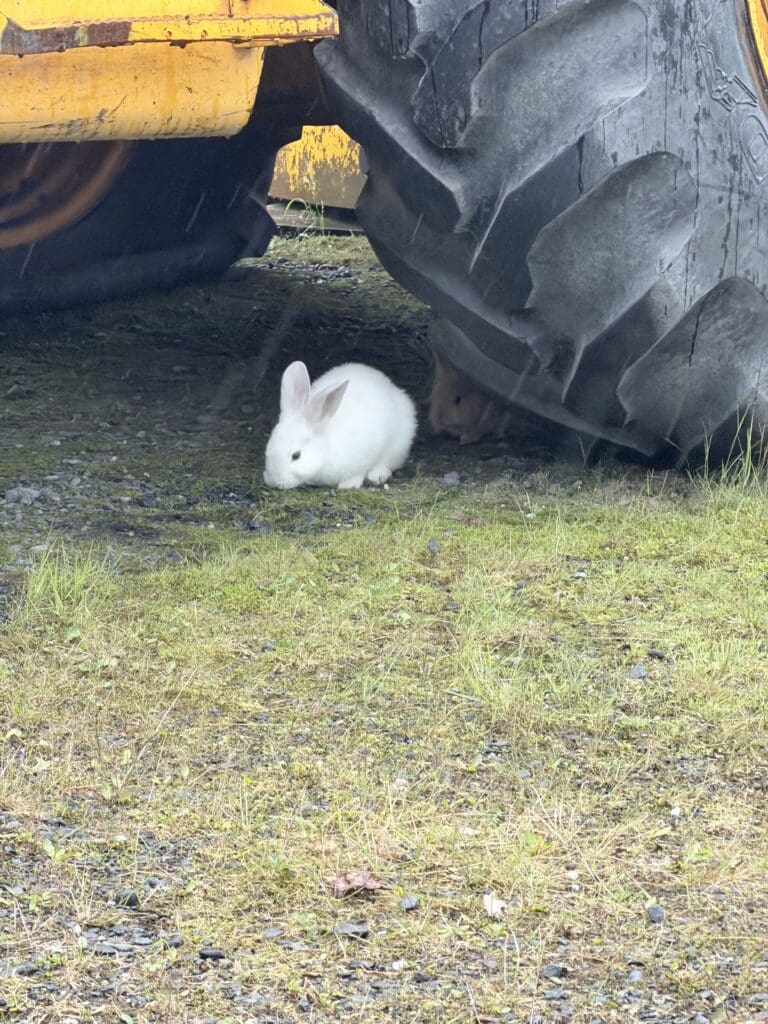
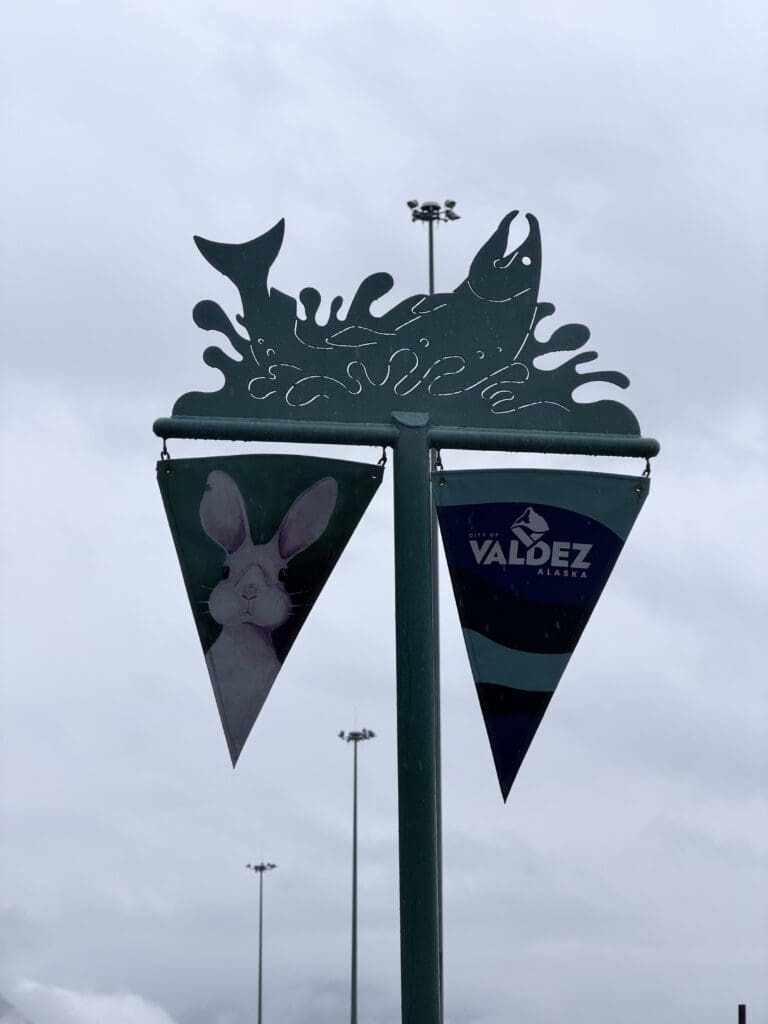
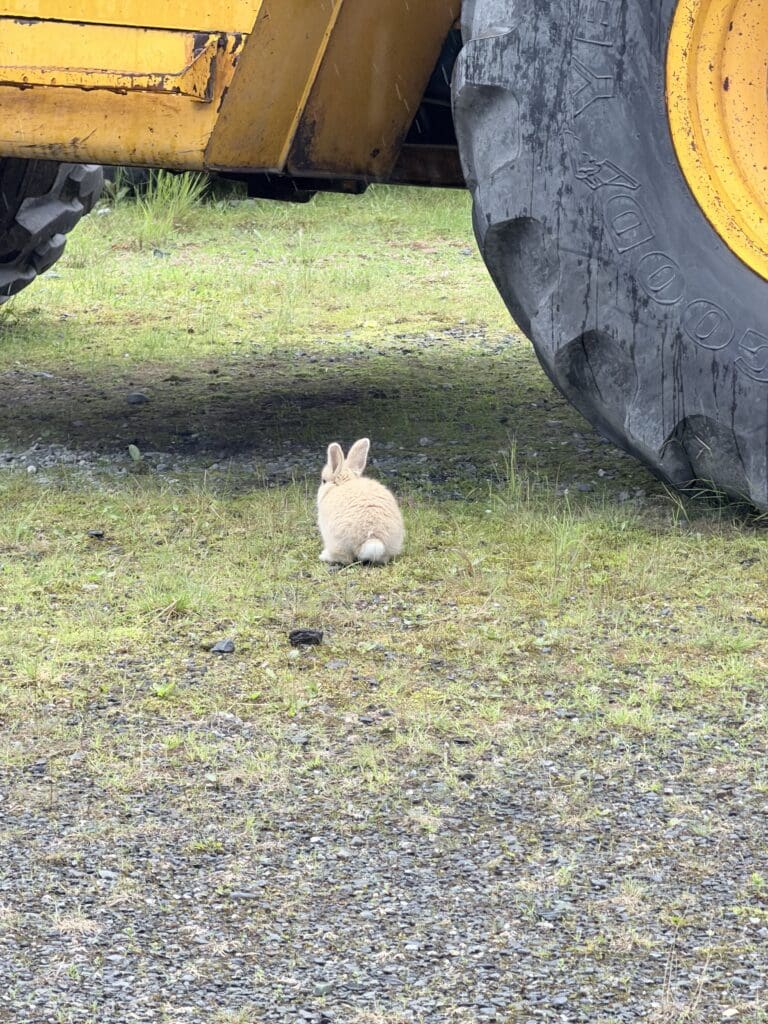
It turns out someone released domestic rabbits here years ago. Since rabbits are exceptionally talented at making more rabbits, they have multiplied into an unofficial mascot of Valdez. Half the town calls them adorable bunnies. The other half calls them oversized rodents that eat every flower they plant.
As with most local controversies, everyone is absolutely convinced they’re right.
The following evening we had dinner at The Wheelhouse, overlooking the harbor. Our waiter looked like someone who could either be a real pirate or front a heavy metal band. Tattoos covered his face, piercings seemed to outnumber visible skin, and he had just enough of an intimidating look that I wasn’t entirely sure how my next question was going to land.
As we were getting ready to leave, I asked, “So… are you a rabbit guy or a bunny guy?”
Without missing a beat, he pulled up a chair, sat down at our table, and said, “I’m a bunny guy.” I have to admit, I did not see that answer coming.
He explained that most of the rabbits stay around the center of town and that, despite the complaints, he thinks most locals have grown fond of them. Then he added another fascinating detail: every seven years or so, the lynx return, enjoy what can only be described as an all-you-can-eat bunny buffet, reduce the population, and then disappear again for another several years.
Nature apparently has its own pest control service.
Our full day in Valdez was spent rafting through Keystone Canyon with Pangaea Adventures. The rafting itself wasn’t the adventure. The real challenge was squeezing into a dry suit while donating blood to what felt like every mosquito in Alaska as we launched the boat.
Once we were on the river, though, it was spectacular. The rafting wasn’t especially technical, but every splash of glacier-fed water that made its way into the raft reminded us exactly where that water had come from. Even inside a dry suit, one icy splash was enough to make you question every life decision that brought you there.
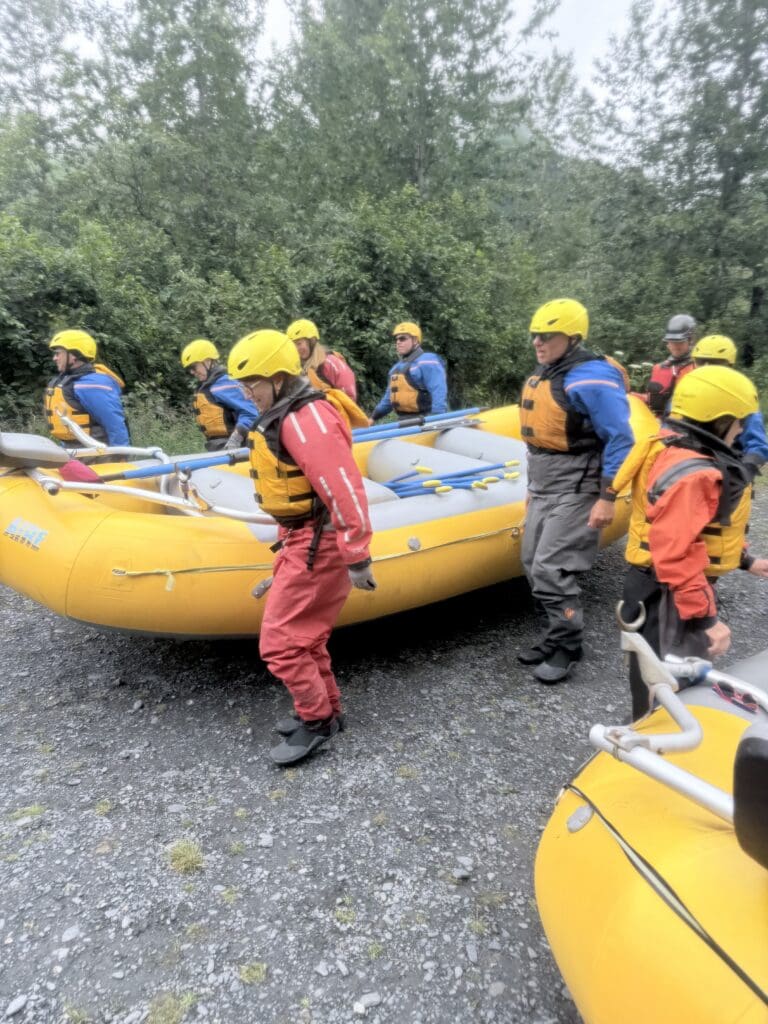
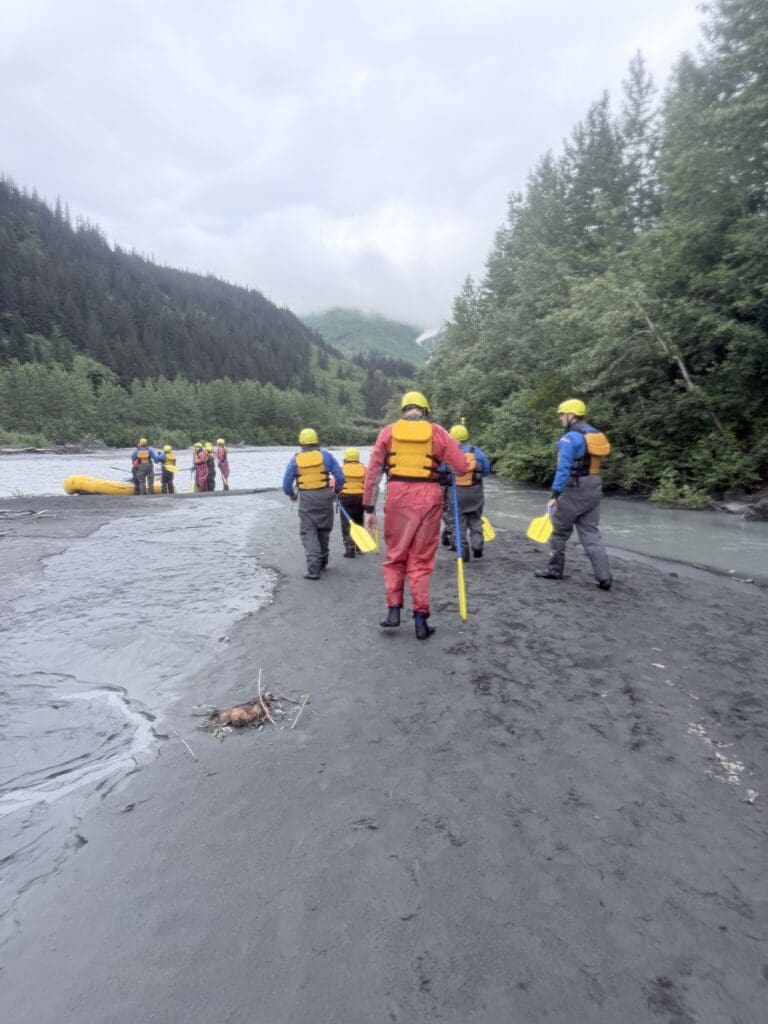
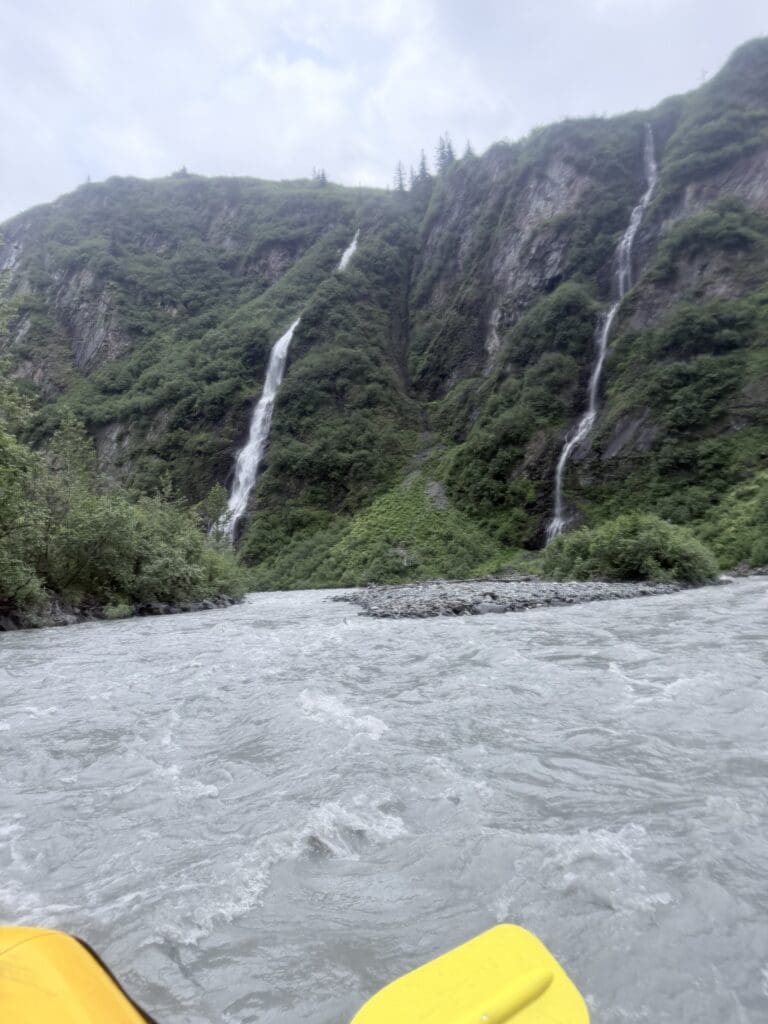
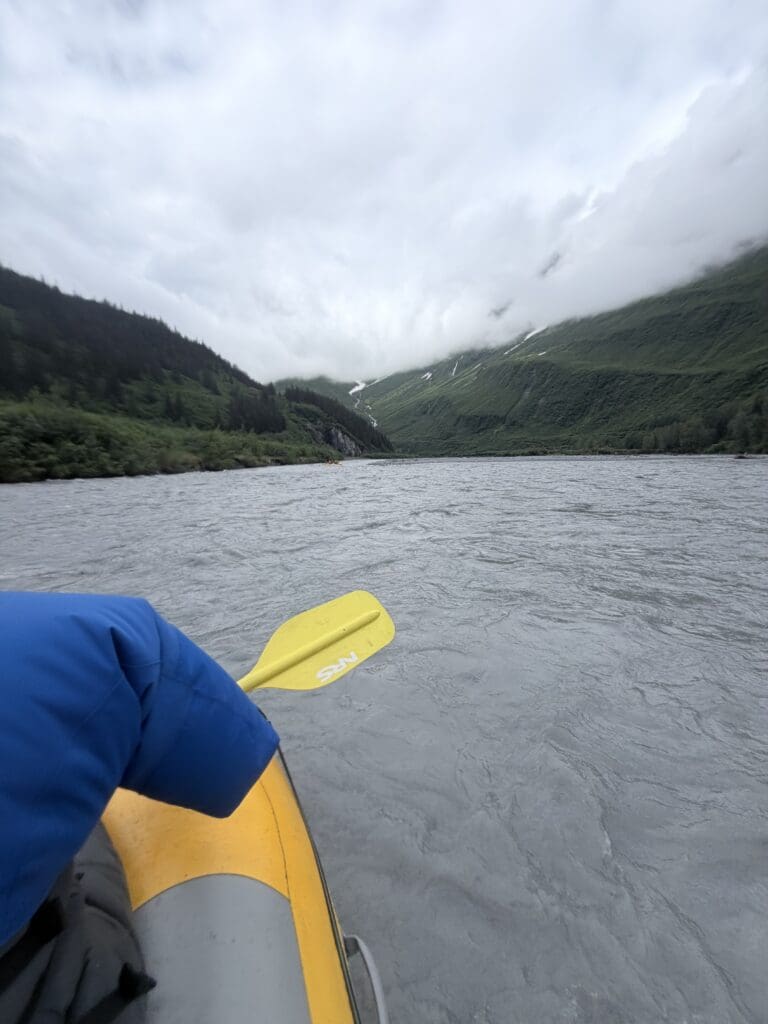
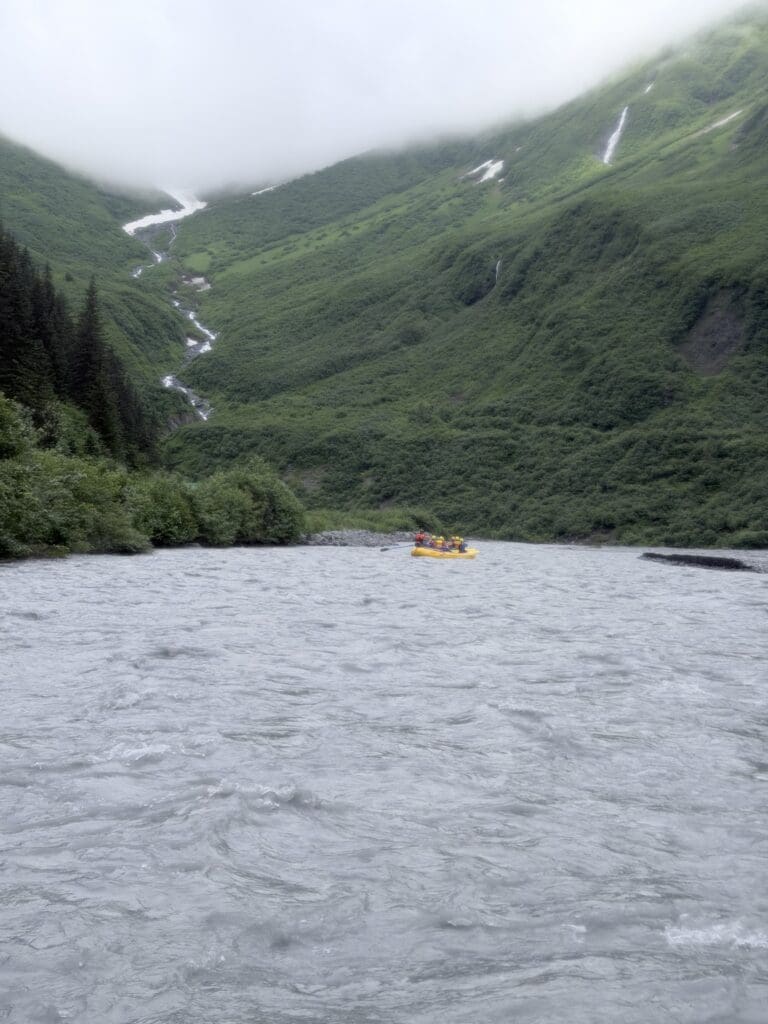
Our guide turned out to have spent quite a bit of time in South Carolina, which continues my streak of meeting people from the Carolinas in places where I least expect it. It doesn’t seem to matter whether I’m standing in the Sacred Valley of Peru, biking through Europe, or floating down an Alaskan river—someone inevitably says, “Oh yeah, I lived near Columbia for a while.” The world really is much smaller than it looks on a map.
One of our stops was at a waterfall fed directly by a glacier. The guides enthusiastically encouraged everyone to walk underneath it. I stood back and watched. Everyone looked so happy. So adventurous. So incredibly cold.
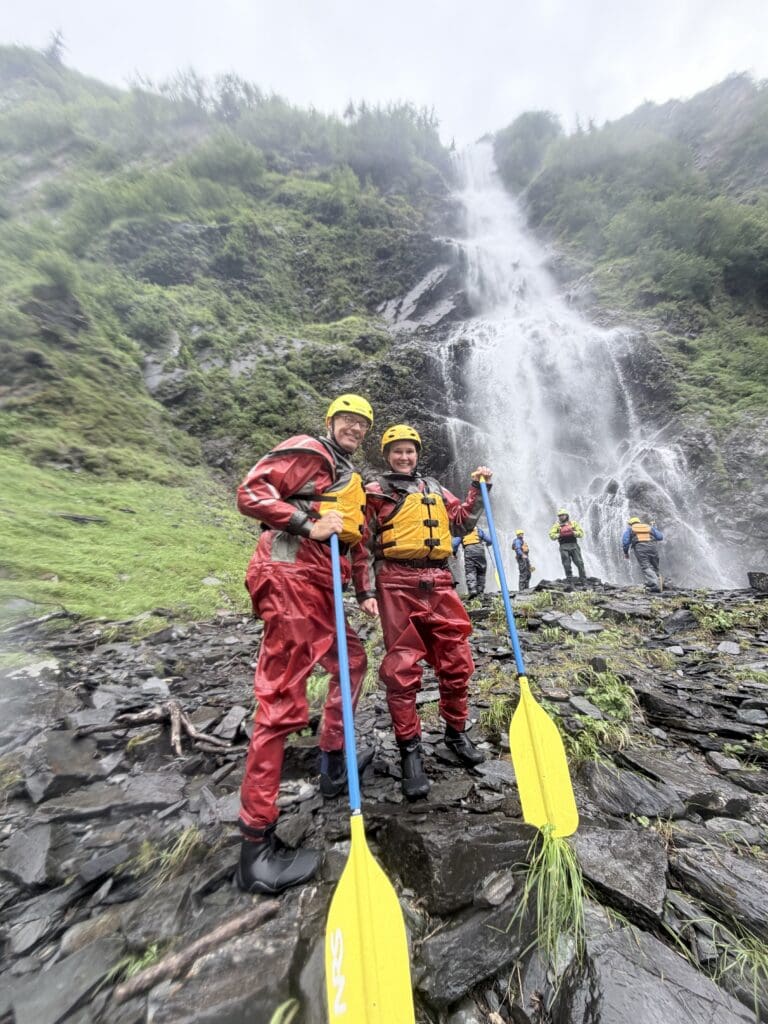
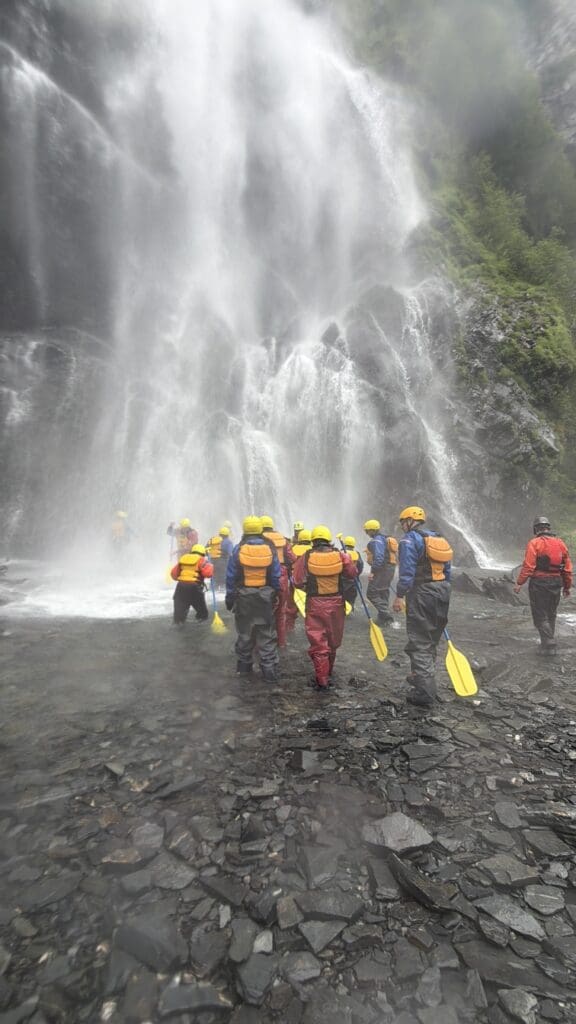
It was one of those moments where I was perfectly content being the official photographer. Some experiences are best appreciated from a comfortable distance, preferably one where frozen water isn’t pounding directly onto your head.
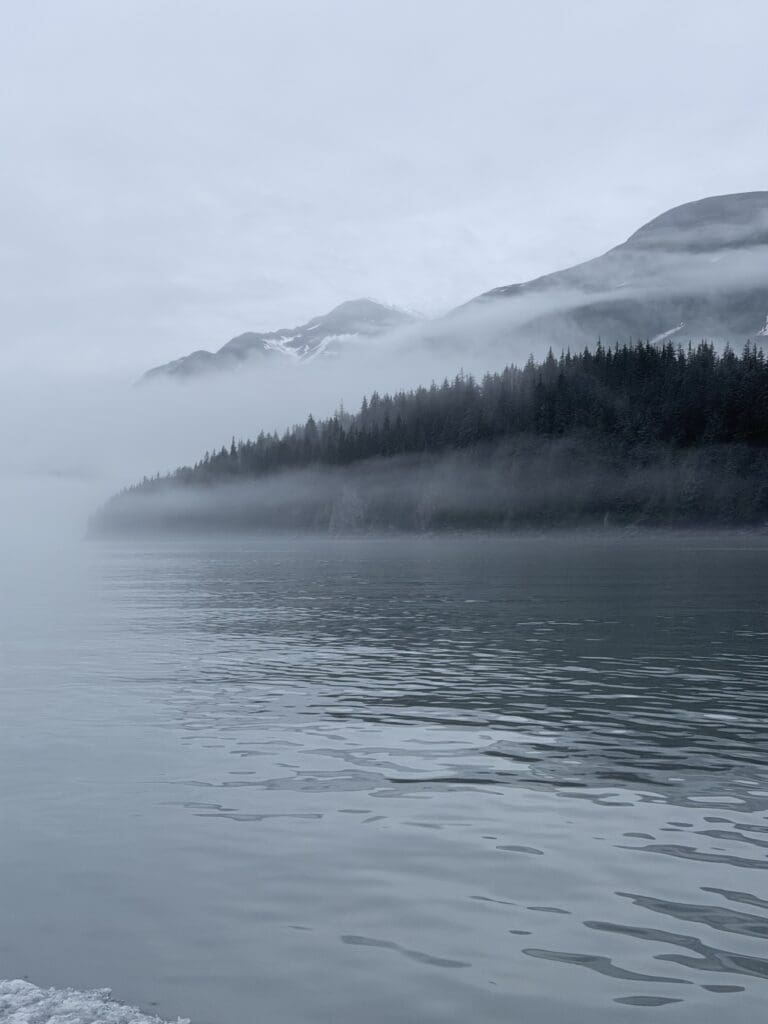
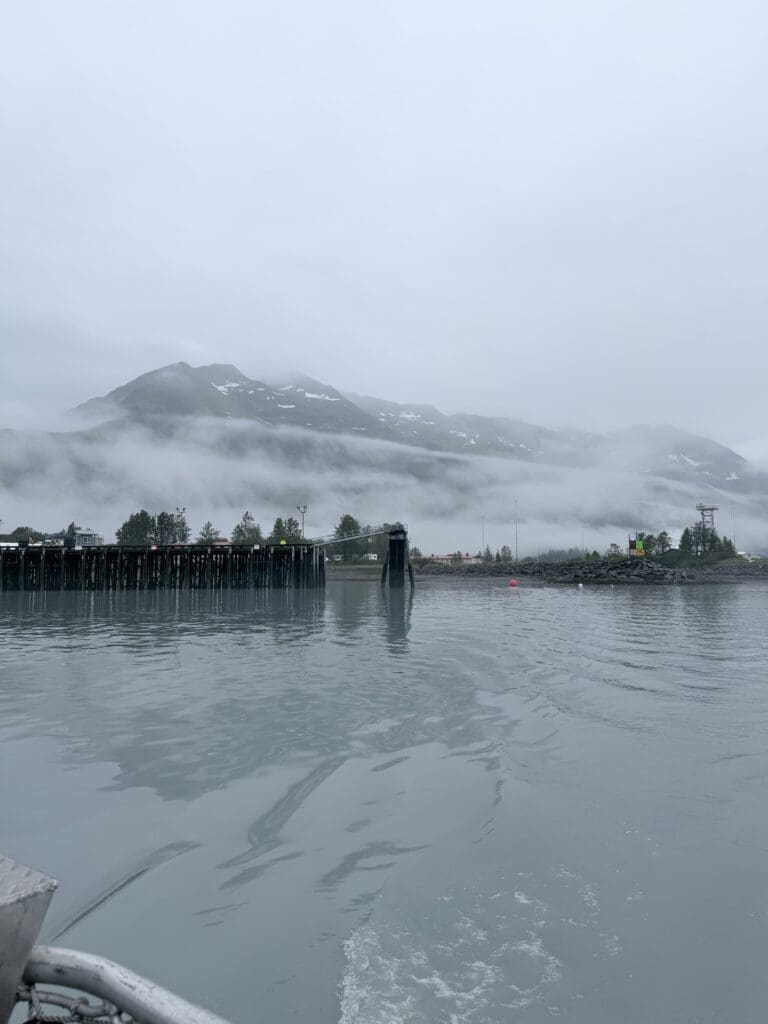
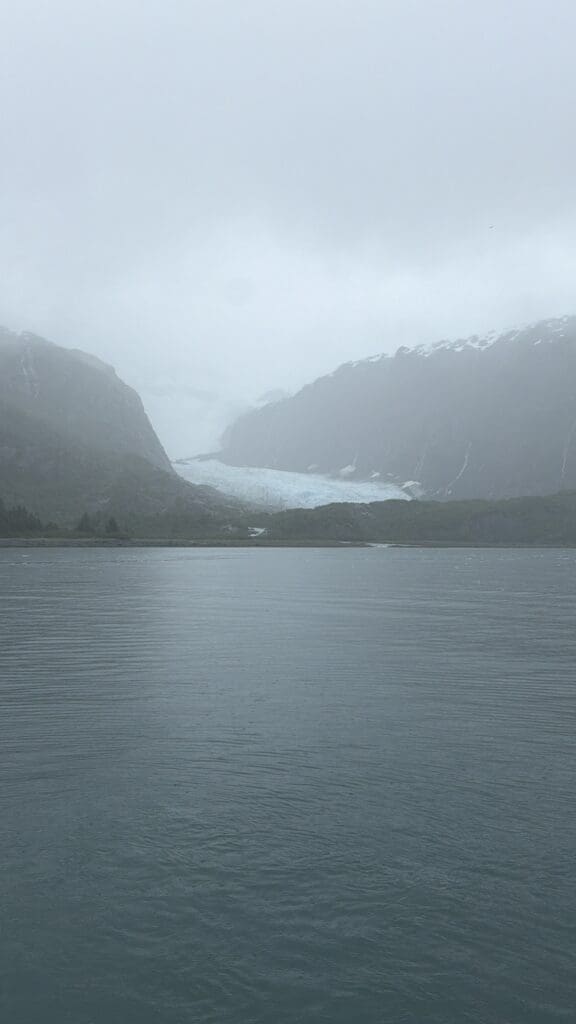
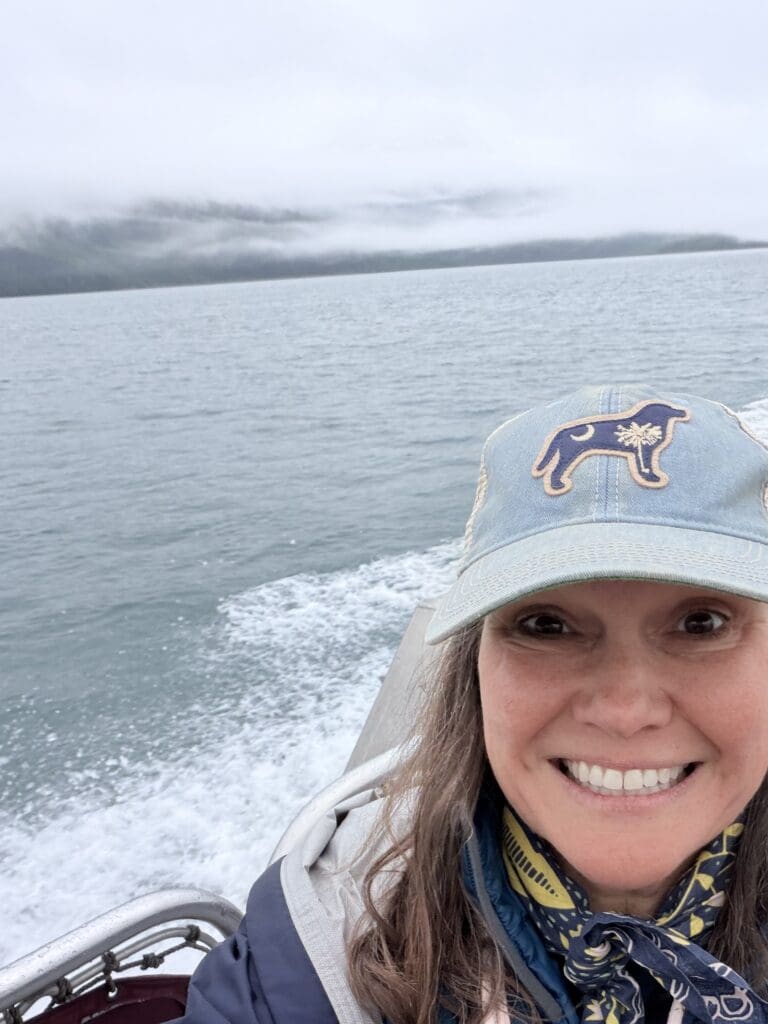
After two nights in Valdez, it was time to board a boat and make our way across Prince William Sound, eventually docking in Whittier. The scenery played a little game with us the entire trip. The clouds would dramatically part, revealing these spectacular mountains that looked like they belonged on a postcard, and then, just as quickly, slam the curtain shut again. You had to stay alert because if you looked down to take a sip of tea or got distracted by someone asking if you needed a snack, congratulations—you missed the mountain. Hope you enjoyed fifty shades of gray instead.
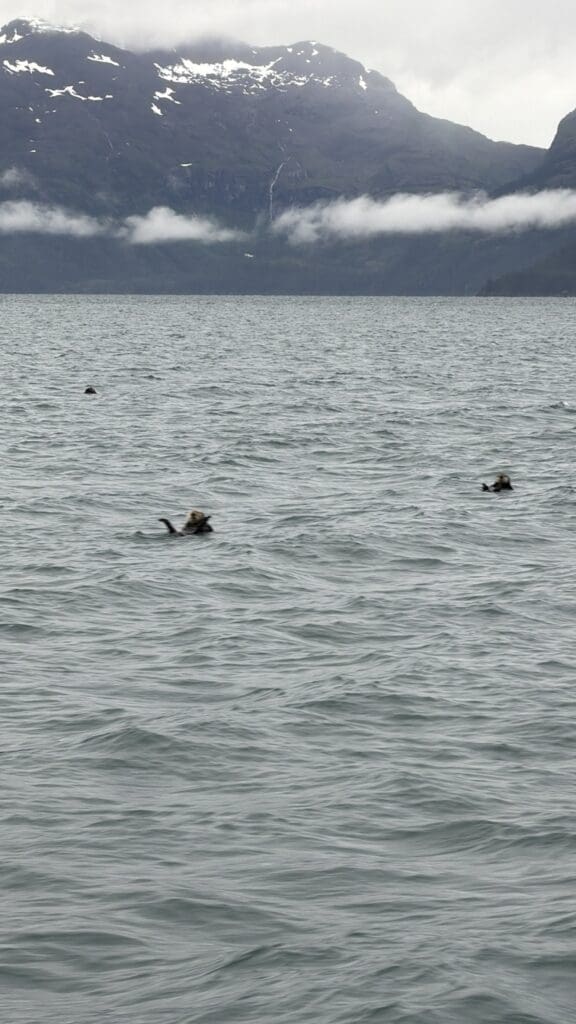
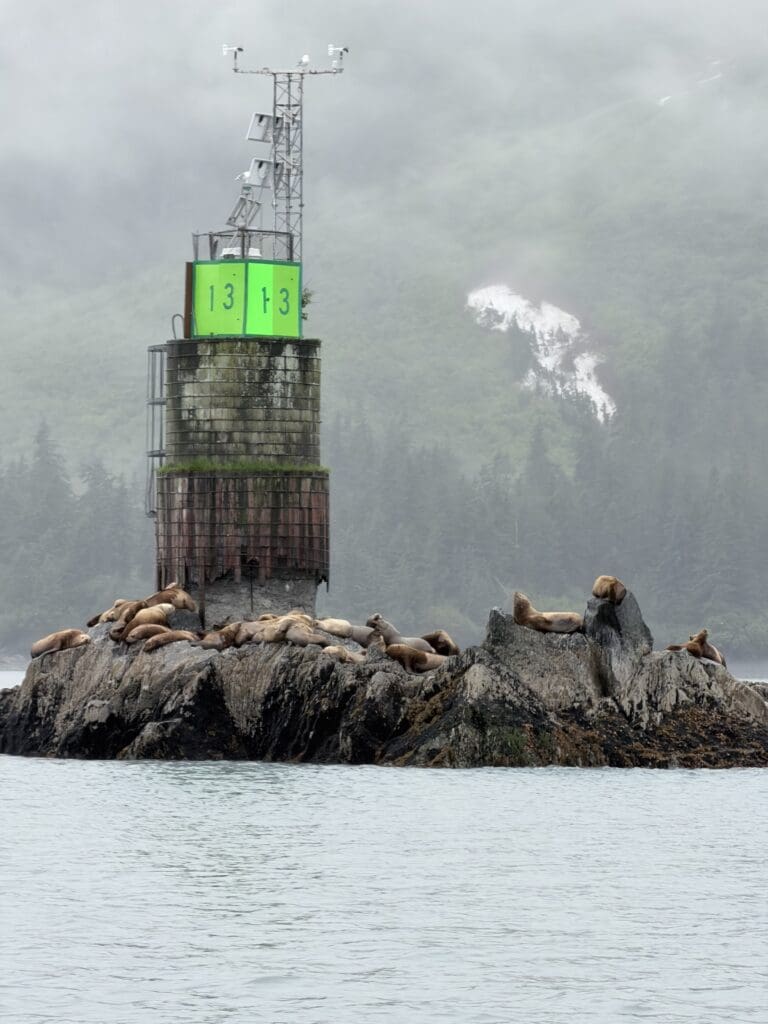
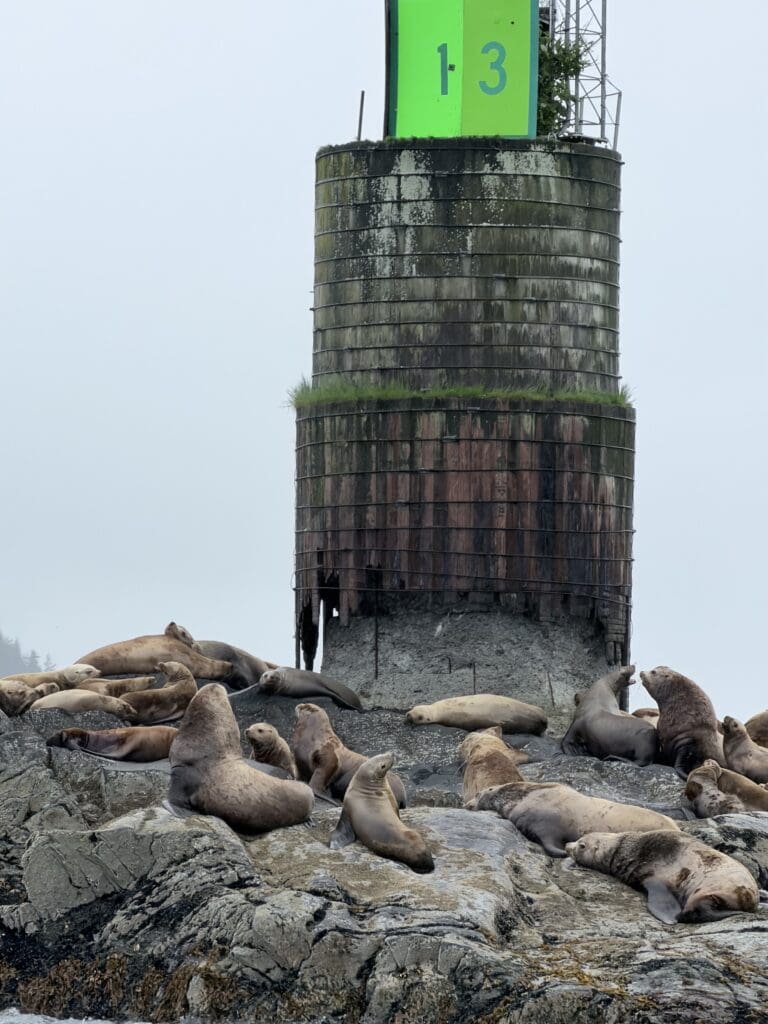
The wildlife, thankfully, was a little less camera-shy. We passed a tiny rocky island occupied almost entirely by enormous sea lions lounging around a navigation marker like they had reserved it on Airbnb. Then we spotted sea otters floating on their backs in the middle of the sound, looking like they had absolutely nowhere to be and were perfectly content with that life choice.
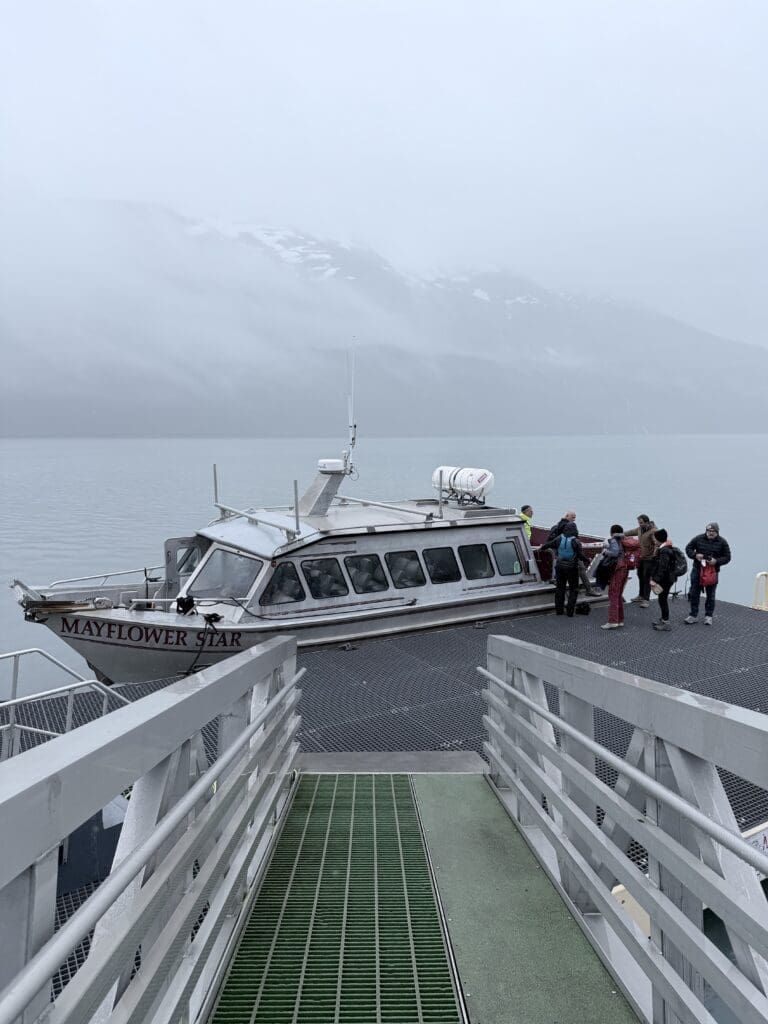
Some people on the boat saw whales. I did not.
This became a recurring theme in Alaska: everyone around me gasping, pointing, and saying, “There it is!” while I stared confidently in the wrong direction. I also noticed that nowhere in Alaska did I see a taxidermied whale. Plenty of bears. Moose. Wolves. Things with fur seem to have no problem ending up on the wall. Whales, apparently, have escaped that fate. So if you go to Alaska, keep your eyes peeled because you’re going to have to see one alive.
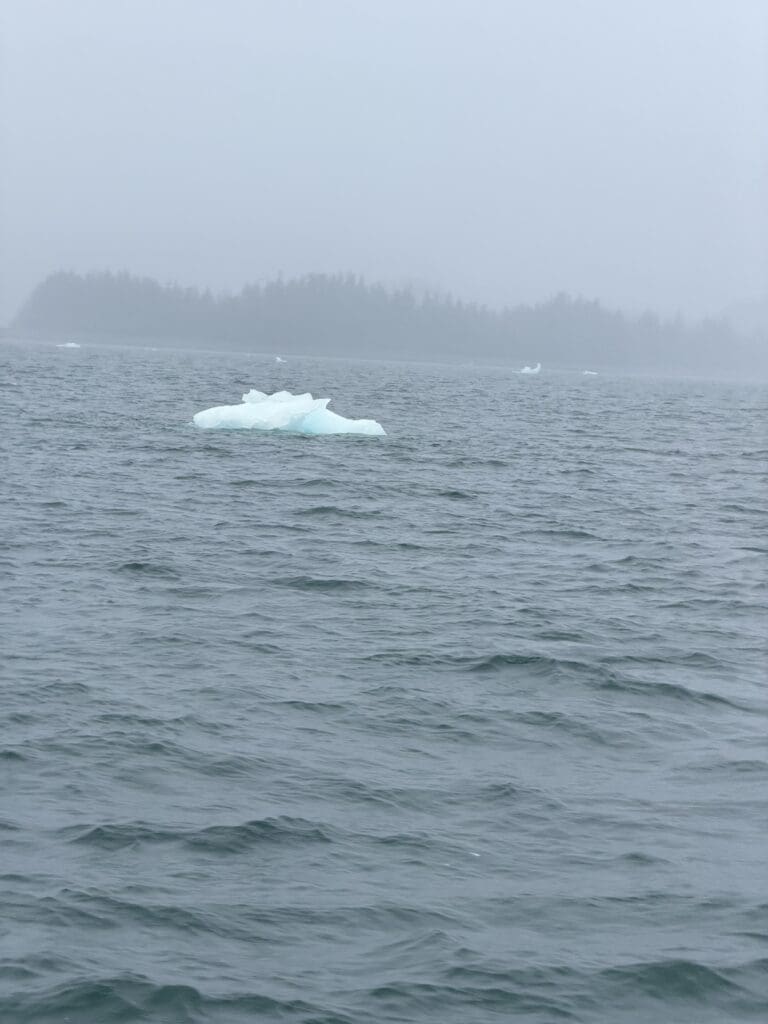
We also cruised past floating chunks of ice. Naturally, I pointed at one and proudly announced, “Look! An iceberg!” I was quickly informed that it was not, in fact, an iceberg. Apparently, an iceberg has to stick a certain height above the water before it earns that title. The little chunks are called growlers, and the slightly bigger ones are bergy bits, which sound less like scientific terms and more like the names of indie rock bands.
We ended our voyage in Whittier and drove through the famous Whittier Tunnel. It’s about two miles long, cuts straight through a mountain, and somehow manages to serve both cars and trains. Since there’s only one lane, traffic takes turns every thirty minutes. If the train needs the tunnel, everyone else simply waits. It feels less like driving and more like participating in a very polite game of transportation chess.
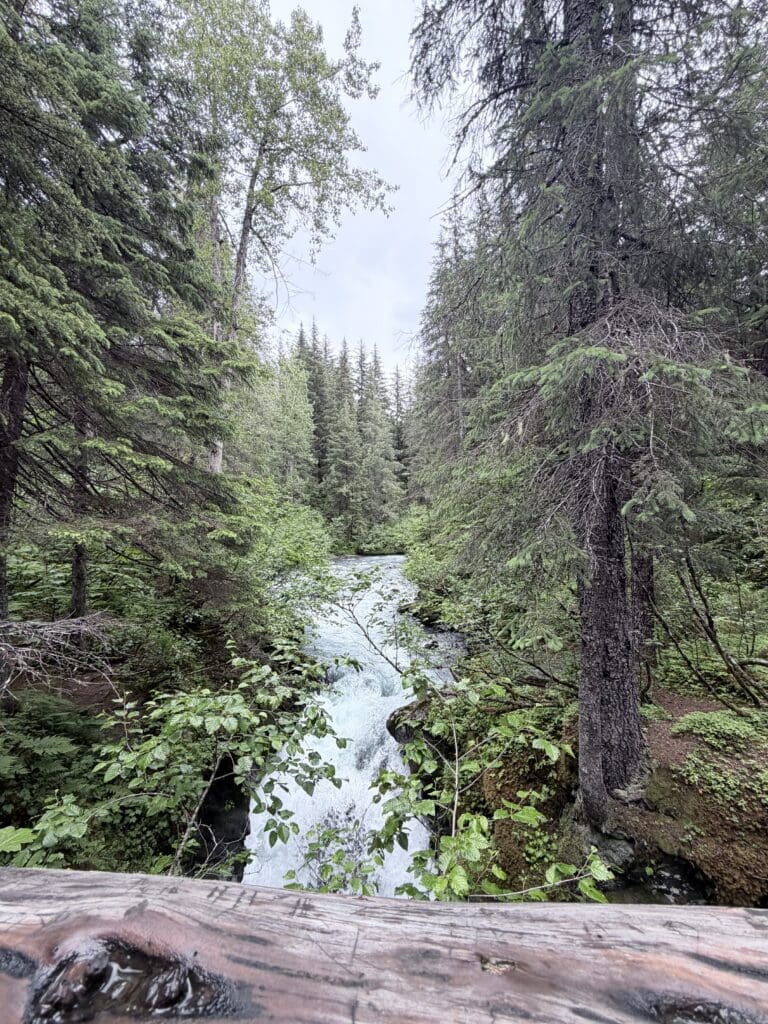
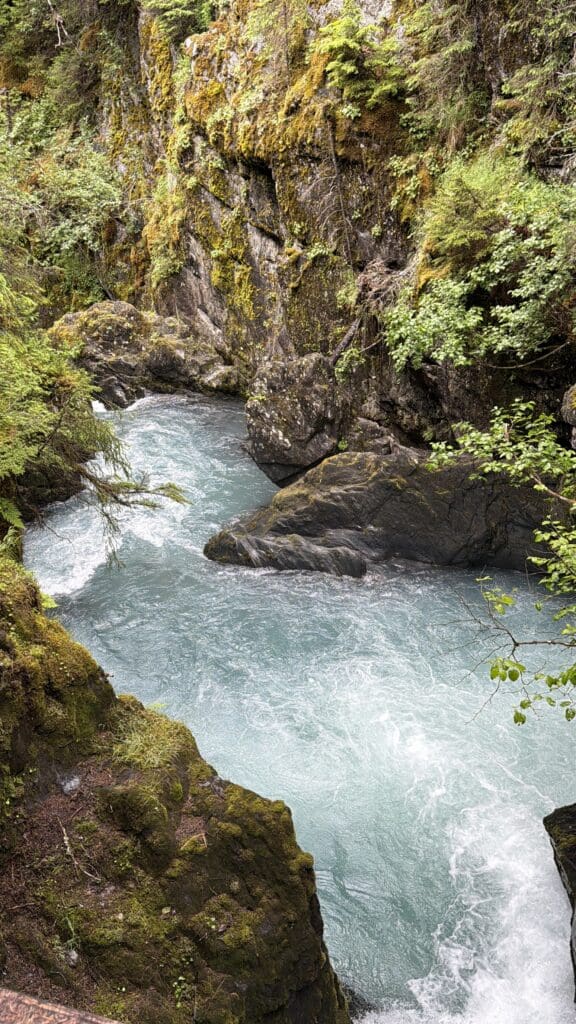
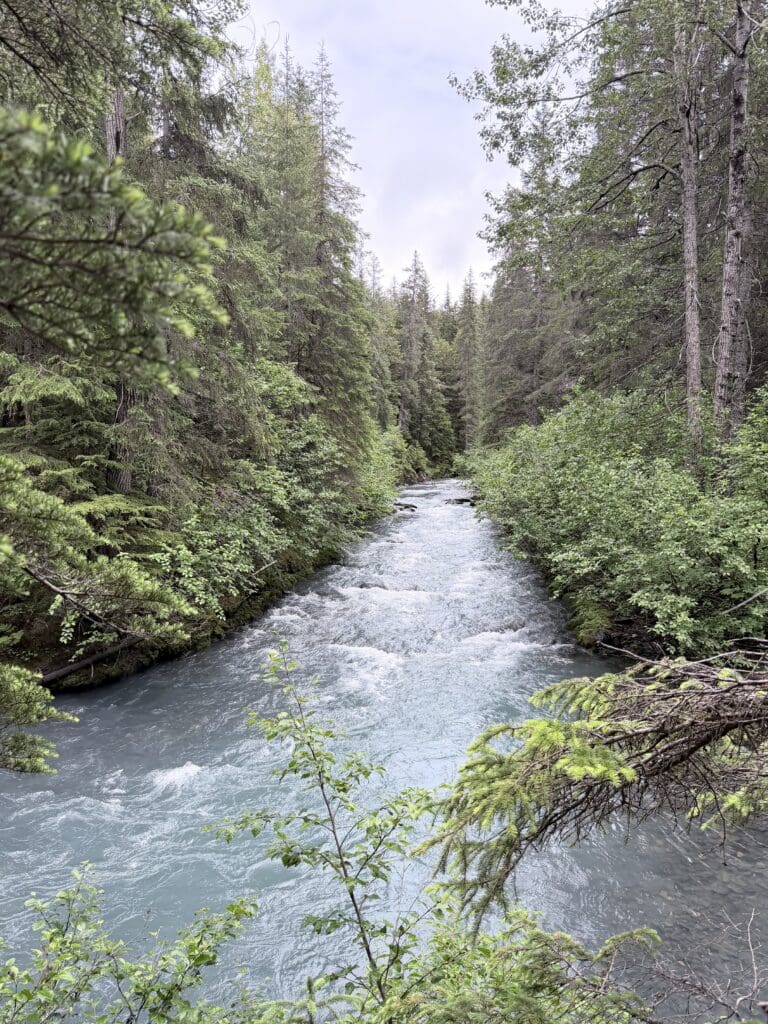
That evening we arrived at Alyeska Resort for our final night. If you’re into skiing—or just enjoy staying somewhere that makes you briefly consider becoming the kind of person who skis—this is probably my favorite place we stayed in Alaska. We hiked Winner Creek Gorge, which was the lushest place I’d seen on the entire trip. Everything was green, damp, and looked like it had been growing undisturbed since dinosaurs were still filling out the paperwork to become extinct.
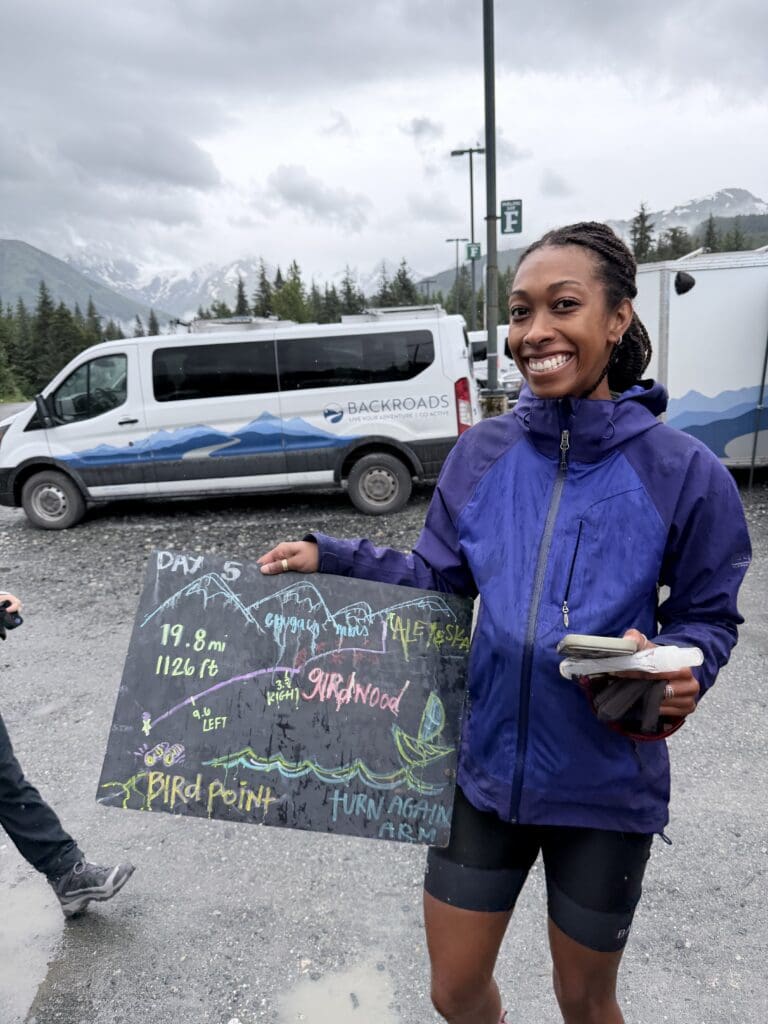
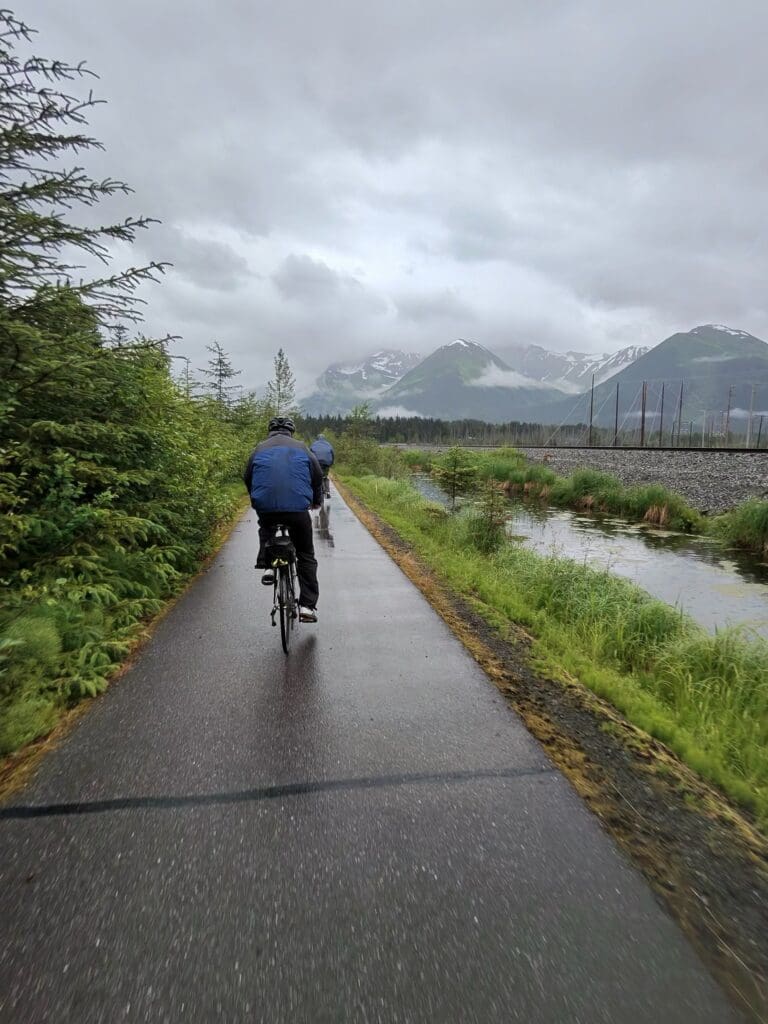
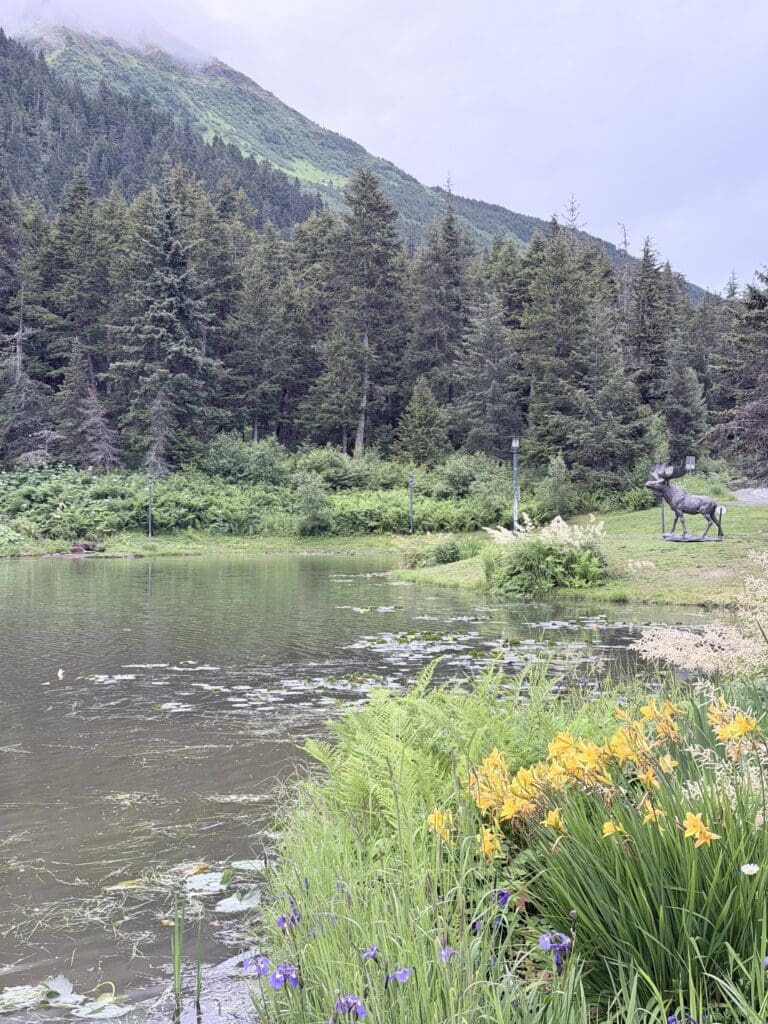
On our last morning, we finally gave in and did a bike ride despite the rain. Normally, “cold” and “wet” are not words that inspire me to exercise voluntarily, but it was on a paved bike path, which made the idea much easier to swallow. I’m really glad we did because on the ride back we found a mother moose standing in a flower bed, happily munching her way through someone’s landscaping while her two calves wandered nearby.
It was one of the coolest wildlife sightings of the trip.
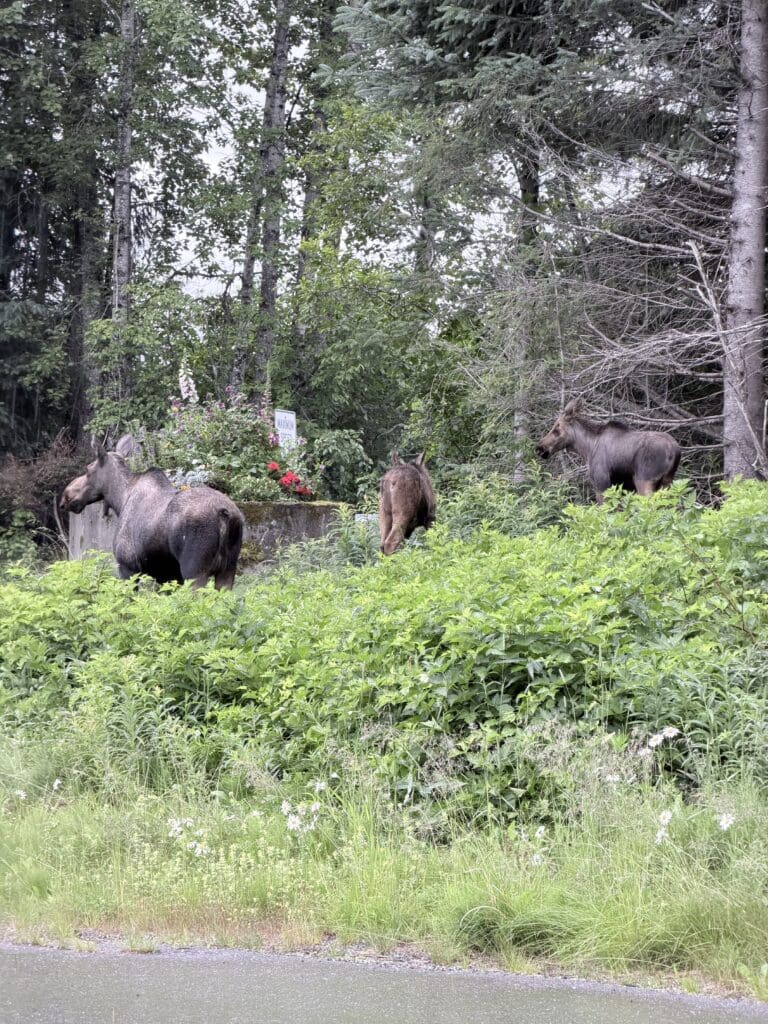
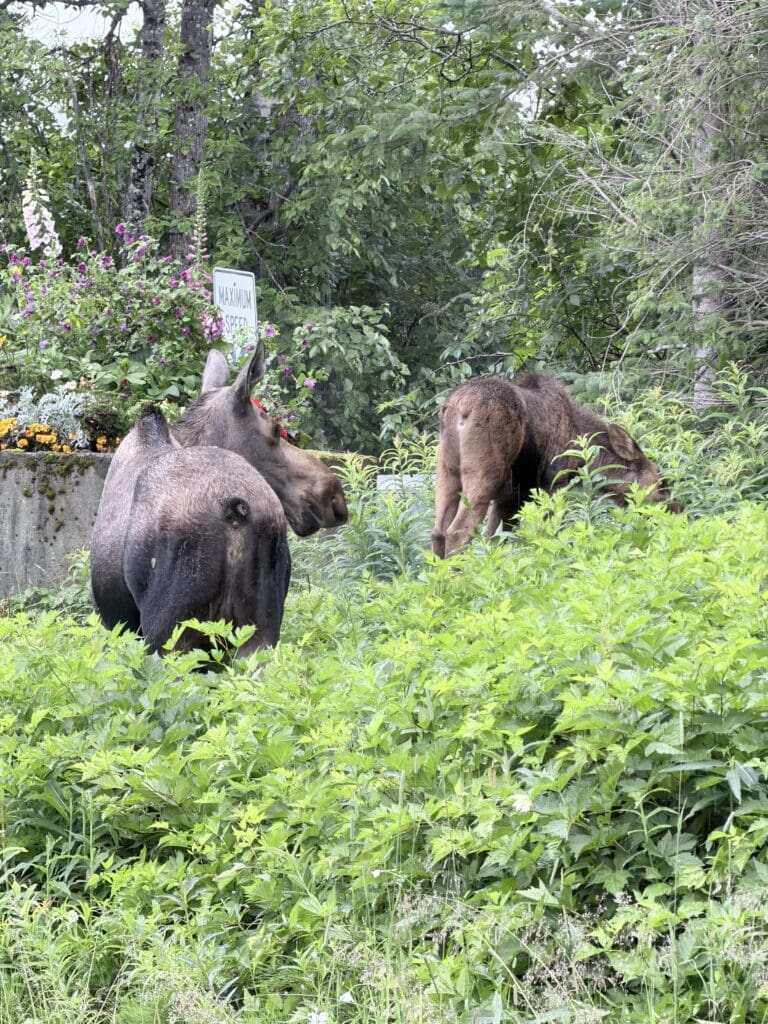
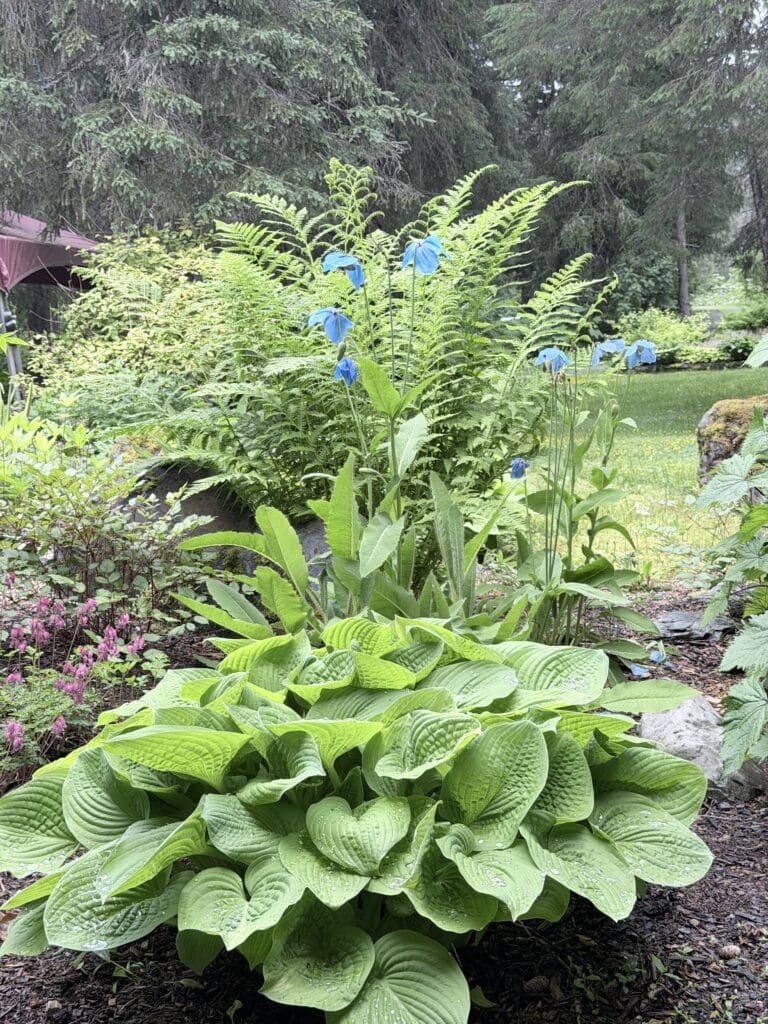
Later I learned that moose are simply the largest members of the deer family, which explained everything. Watching her demolish those flowers, all I could think about was my own flower beds at home and the deer that treat them like an all-you-can-eat buffet. I’m sure the homeowners in Alaska have exactly the same conversation I do every spring, except instead of saying, “The deer got into my flowers again,” they sigh and say, “The moose was back.”