

I Came for the Art, Stayed for the Cocktail
We had two extra days to play in New York City, which felt like a bonus round on a game show—except instead of winning a car, you just get sore feet and $17 cocktails. The weather was unseasonably cool, but the rain held off—like a polite guest who knows not to come too early.
On Friday morning, we made our way to The Met, because nothing says “vacation” like staring solemnly at oil paintings. Chad was a sport and went along with me, also serving as my cruise director as we navigated the subway.
There’s a John Singer Sargent exhibit on display right now, and he’s one of my favorite painters. My mother used to say that if she could have anyone paint her portrait, she would’ve chosen Sargent. Of course, he died 25 years before she was even born, but my mother never let a little thing like the space-time continuum get in the way of a good aesthetic.
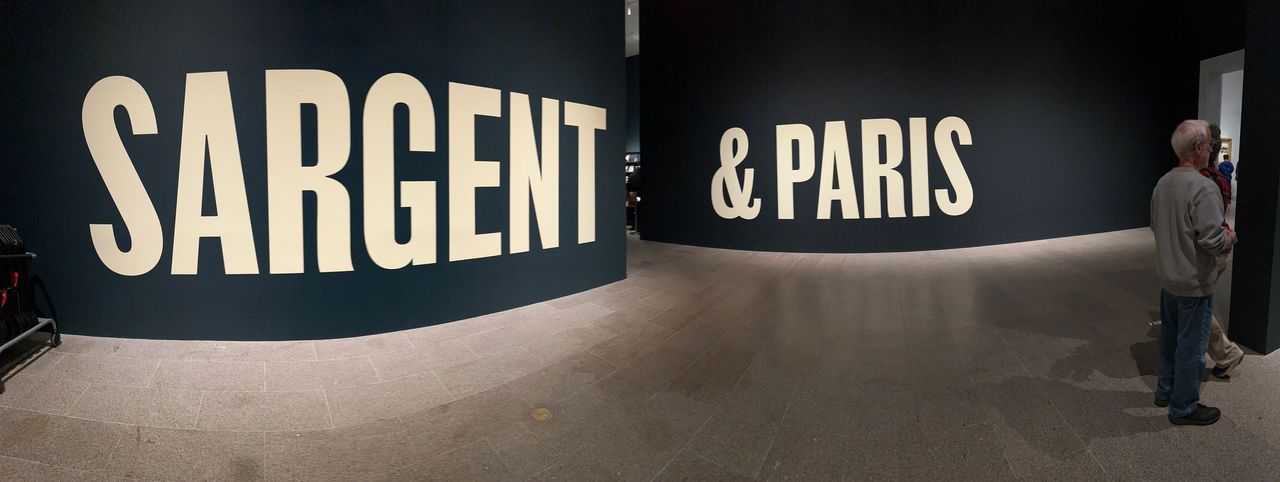
The Met already owns the famous Portrait of Madame X, but this show featured some of Sargent’s early Parisian works—paintings from his time as a student and later as a highly sought-after portraitist with an apparent aversion to small canvases. The man painted like he was charging by the square foot.
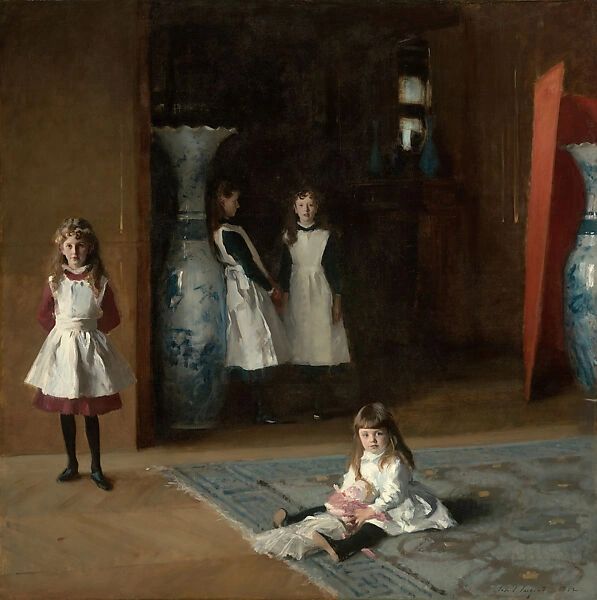
One of my favorites on display was The Daughters of Edward Darley Boit. The composition is unusual—you can barely make out the oldest daughter. I couldn’t help but wonder if Edward had them arranged in order of personal preference. It’s usually at the MFA in Boston, but it was visiting New York like a very classy tourist.
The painting closest to my heart, though, is Carnation, Lily, Lily, Rose—which I had a framed print of in Annie and Abbie’s nursery, back when their walls were mostly just crayon-resistant. The original lives at the Tate in London, so naturally it’s now on my “future excuses to travel” list.
What I love about Sargent—aside from the fact that he could paint fabric like it was spun from actual light—is that he was successful in his own lifetime. It’s always comforting when an artist gets a little recognition before, you know, dying penniless in the poor house.
Here’s the thing about big art museums: you need a game plan. Wandering aimlessly through endless galleries is like being trapped in a very quiet IKEA—so many rooms, so few exits, and you start to question your life choices somewhere around the medieval tapestries.
I’ve learned to go in with a target. That day, it was Sargent first, because I assumed the rest of New York would eventually catch on and crowd the exhibit. Then I made my way to the Vermeers—there are five at The Met, and because they’re tucked in with other masterpieces, I didn’t have to elbow anyone to get close. A minor miracle.
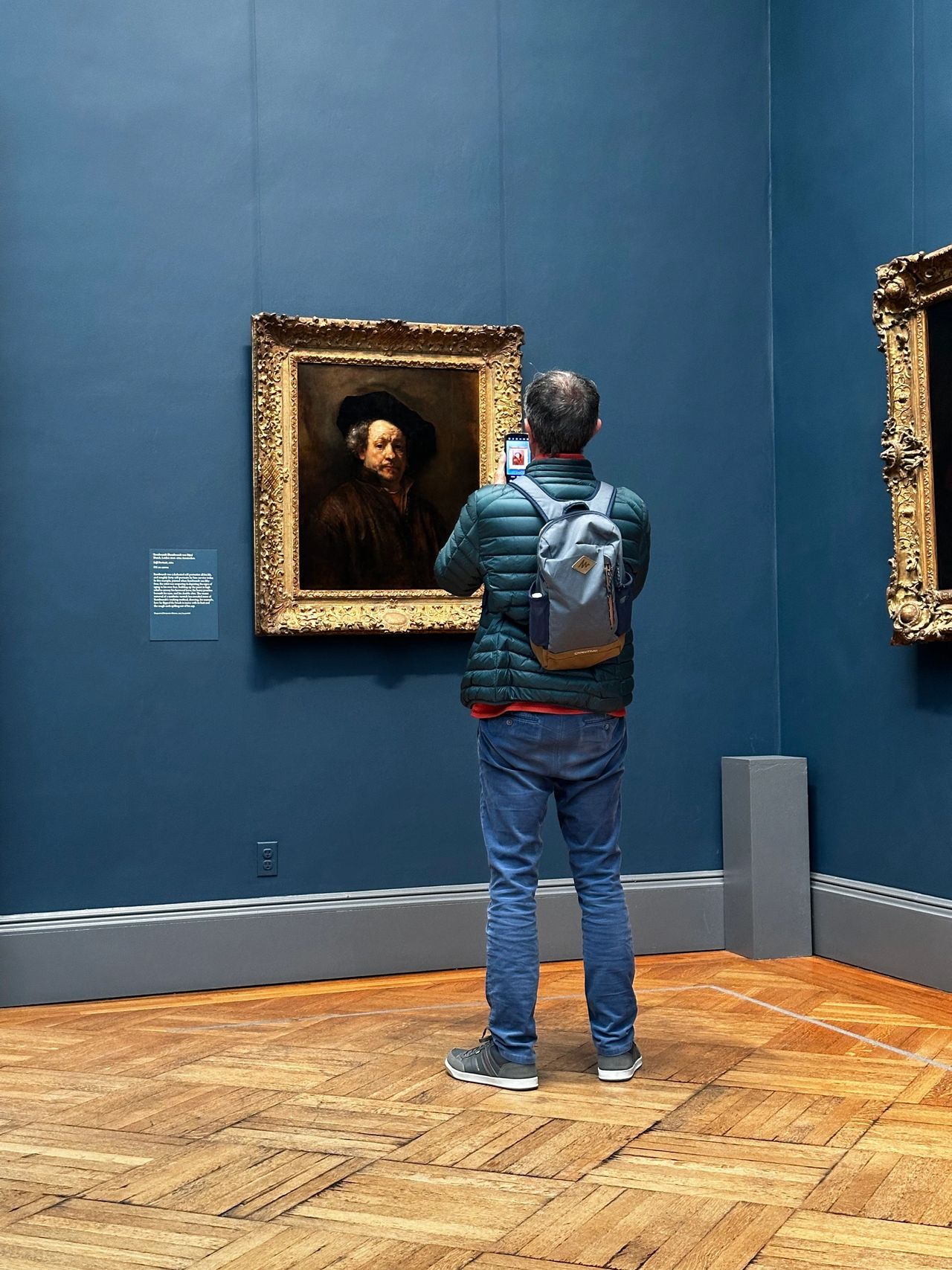
On the way, I wandered into a Rembrandt self-portrait, and let me just say: if selfies still looked like that, I might be more inclined to post them. The detail, the richness of color, the full-on existential vibe—it was glorious. After seeing Sargent’s work, it was easy to imagine how Rembrandt, painting 200 years earlier, lit the path. They were both fortunate enough to be recognized in their time. Vermeer, on the other hand, had the classic tortured-genius arc and died early—which I suppose is romantic in an art history kind of way, but considerably less great in real life.
Quick museum tip: if you’re going to The Met more than once, get the membership. It’s $100 for the year, you skip the ticket line, get discounts at the store and café, and can smugly escort one guest in with you like you’re someone important.
As for the whole “taking photos of the art” situation—I’m conflicted. Museums now encourage it, hoping you’ll post a slightly blurry Monet to Instagram and inspire someone else to pay $30 for the privilege. But I find the whole selfie-with-the-Sistine vibe distracting. Personally, I only take pictures if I want to research a piece later. Although, let’s be honest, I usually just Google it in the gift shop and find a better version online.
Anyway, The Met didn’t disappoint. We walked out smarter, colder, and slightly more cultured—just the way a good New York morning should end. Then we walked back to midtown through Central Park.

Dinner that night was at Gallaghers—one of Randy and Alisa’s favorite spots, and I can see why. If you’re looking for a steak, this is where you go. It exudes old-school New York charm, with wood-paneled walls, a glass-encased meat locker you can gawk at like it’s a meaty museum exhibit, and the kind of staff who know exactly when to refill your martini without asking.
Originally opened in 1927 as a speakeasy during Prohibition by former Ziegfeld girl Helen Gallagher and gambler Jack Solomon, Gallagher’s has lived many lives. It’s changed hands and menus over the years, but its current incarnation is well worth a visit. The portions are generous in the way that makes you question your life choices halfway through the entrée. I highly recommend sharing and, whatever you do, save room for dessert—you’ll want it, even if you have to unbutton your pants to make it happen.